





Overview
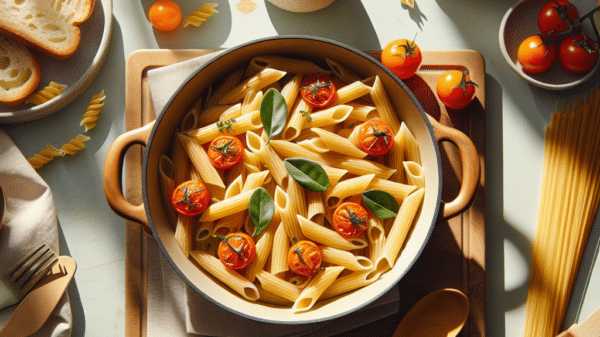
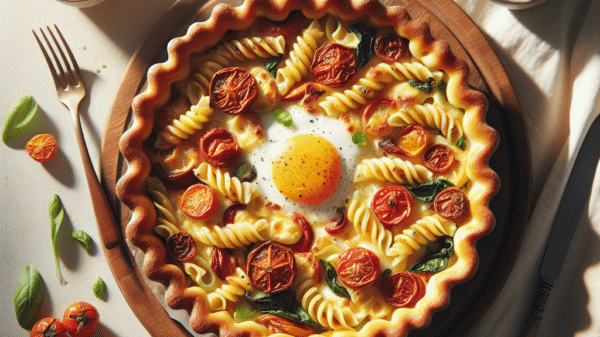
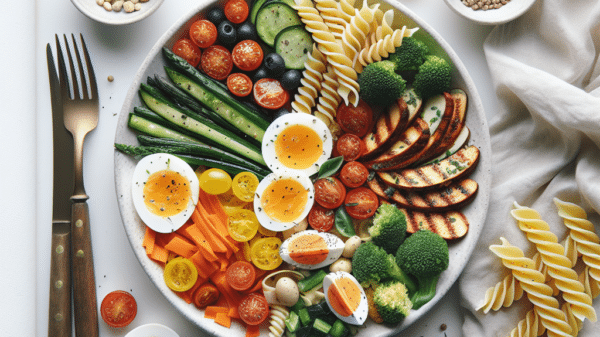
Italian cuisine boasts a diverse array of regional specialties that elevate any meal. This article highlights 10 hidden gems, ideal for food enthusiasts looking to expand their repertoire. Each dish comes with a unique flavor profile and cooking techniques that reflect the geographical and cultural nuances of Italy.
- Prep/Cook Time: 30 minutes to 2 hours (varies by dish)
- Difficulty: Easy to Moderate
- Regional Origin: Across various regions including Tuscan, Sicilian, Roman, and Neapolitan
- Flavor Profile: Rich, savory, aromatic, or fresh
- Occasion: Weeknight dinners, family meals, festive gatherings
Ingredients
- 500g (1 lb) beef, veal, or chicken (e.g., flank steak, shin for braising)
- 250g (9 oz) San Marzano tomatoes (canned)
- 100ml (3.4 fl oz) extra-virgin olive oil
- 1 medium onion, finely chopped
- 2-3 cloves of garlic, minced
- 100g (3.5 oz) Parmigiano-Reggiano, grated
- Fresh herbs (e.g., basil, thyme, oregano)
- 150ml (5 fl oz) white wine or broth for deglazing
- Salt and pepper to taste
Step-by-Step Instructions
- Preparation: Begin by gathering all ingredients. Finely chop the onion and mince the garlic. Set aside.
- Searing: Heat the olive oil in a large skillet over medium-high heat. Add the meat, searing each side for 3-4 minutes until browned. This will enhance the flavor through the Maillard reaction.
- Softening: Remove the meat and add the onion to the skillet. Sauté for about 5 minutes until translucent, then add garlic and cook for an additional minute.
- Deglazing: Pour in the wine or broth, scraping up any browned bits from the skillet using a wooden spoon. This adds depth to the sauce.
- Simmering: Return the meat to the skillet, add canned tomatoes, salt, pepper, and herbs. Bring to a simmer, cover, and cook for 1-2 hours on low heat for a braised dish.
- Finishing: Check the meat for tenderness before plating. It should be fork-tender. Adjust seasoning as needed and sprinkle with grated Parmigiano-Reggiano just before serving.
Common Mistakes to Avoid: Overcooking the meat can lead to dryness, while adding too much salt at the beginning can overwhelm the sauce’s flavor.
Variations & Substitutions
- Dietary Swaps: Use lentils or mushrooms for a vegetarian option. For gluten-free diets, ensure the stock is gluten-free.
- Regional Twists: Incorporate Sicilian capers or Tuscan herbs. A Roman variation may use guanciale or pecorino for a distinctive flavor.
- Modern Adaptation: Use quinoa or polenta as a base instead of traditional pasta or bread.
Make Ahead, Storage & Reheating
Italian dishes are often ideal for meal prep. Most components, like the braised meat and sauce, can be made ahead and stored.
- Fridge Storage: Keep in an airtight container for up to 3 days.
- Freezer Storage: Can be frozen for up to 3 months. Ensure to label with the date.
- Reheating: Thaw overnight in the fridge. Reheat gently on the stovetop over low heat, adding a splash of broth or water to maintain moisture.
Nutrition (Approx.)
- Calories: 400-500 per serving (depending on protein choice)
- Macronutrients:
- Protein: 30-35g
- Fat: 20-25g
- Carbohydrates: 15-20g
Serving Suggestions
To round out your Italian meal, consider serving with:
- Roasted seasonal vegetables
- Polenta with sage and butter
- A refreshing arugula salad with lemon vinaigrette
- Complimentary wine, such as Chianti or a crisp Pinot Grigio
For kids or a quick serve, consider plating the dish over creamy polenta or in a bowl with homemade garlic bread on the side. Garnish with fresh herbs or a drizzle of olive oil for an elegant touch.
FAQs
- How long should I cook the meat? Cooking times vary; generally, simmering for 1-2 hours results in tender, flavorful meat.
- Can I use other proteins? Yes, chicken and pork work well; just adjust cooking times accordingly.
- What’s the best pasta to serve with it? Pappardelle or tagliatelle are great options that complement the hearty sauce.
- Can I prepare it the day before? Absolutely, this dish often tastes better the next day as the flavors meld.
- What’s the key to a flavorful sauce? Don’t skip the deglazing step, as it adds depth and richness to the sauce.
Conclusion
Exploring hidden Italian regional specialties opens a world of flavors and textures in cooking. With simple techniques and fresh ingredients, you can create dishes that are not only authentic but also resonate with the warmth of Italian home cooking. Don’t hesitate to experiment with variations or substitutions to make these dishes your own!
We invite you to share your culinary experiences, favorite twists, or any variations you’ve tried in the comments below. Buon appetito!