










Overview
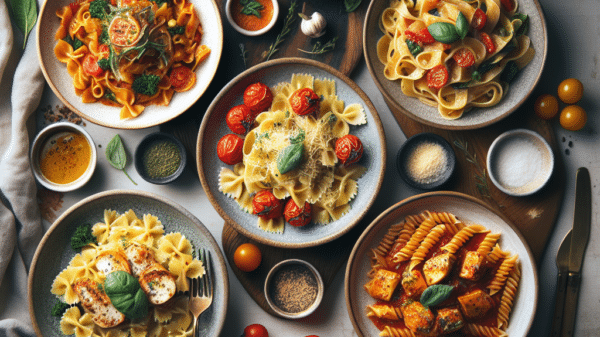
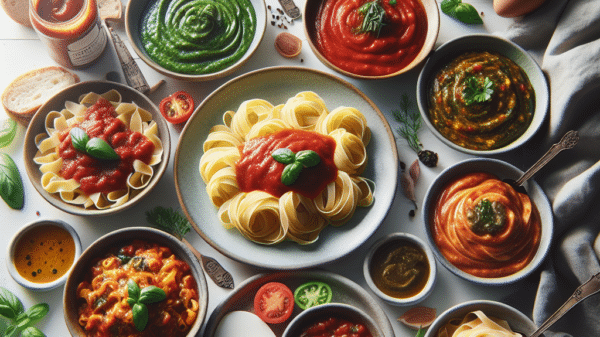
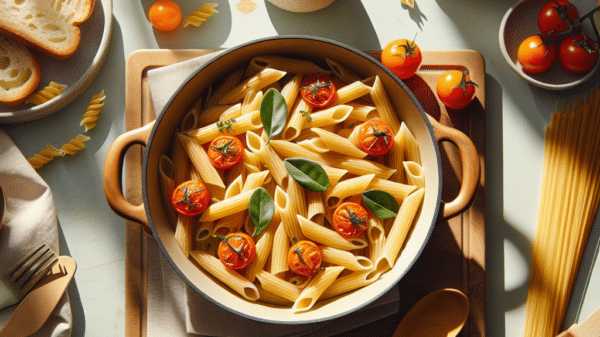
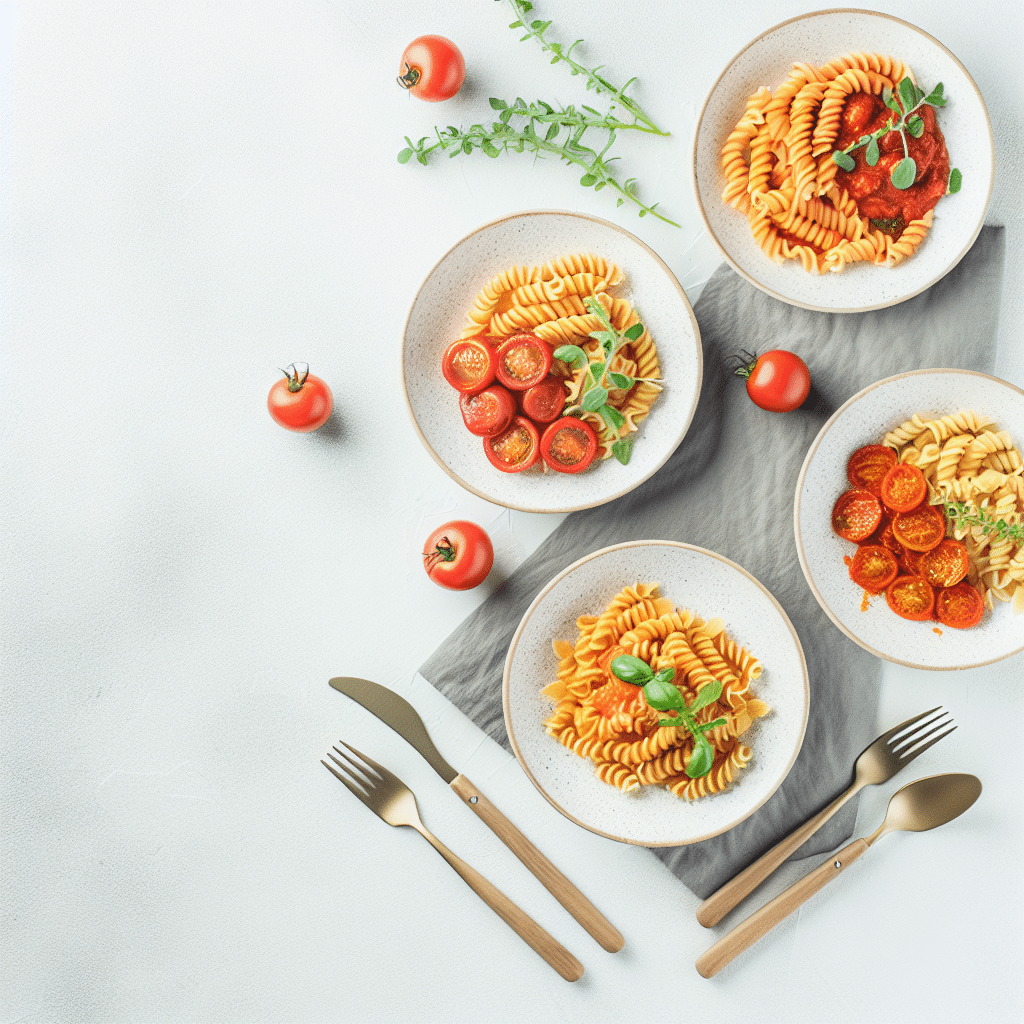
Tomato pasta dishes are a quintessential part of Italian cuisine, loved for their comforting flavors and versatility. This article is designed for both novice cooks and seasoned chefs looking to expand their repertoire with authentic variations based on seasonal ingredients. The estimated prep time is 15-30 minutes, with total cooking time around 30-45 minutes, making it suitable for quick meals as well as more elaborate dinner parties. The dishes include regional origins ranging from Neapolitan to Sicilian, emphasizing their unique characteristics while providing solace and satisfaction on any occasion.
Ingredients
- 400g (14 oz) durum wheat pasta (like spaghetti or penne)
- 800g (28 oz) San Marzano tomatoes, canned or fresh
- 60ml (1/4 cup) extra-virgin olive oil
- 2 cloves garlic, minced
- 100g (3.5 oz) Parmigiano-Reggiano, grated
- Salt, to taste
- Pepper, to taste
- Fresh basil leaves, for garnish
- Optional add-ins: 200g (7 oz) cooked chicken, sautéed vegetables, or Italian sausage
Step-by-Step Instructions
- Bring a large pot of salted water to a boil. Use at least 1 tablespoon of salt per liter of water. This enhances the pasta’s flavor.
- Add the pasta and cook until al dente, usually 1-2 minutes less than package instructions. Stir occasionally to prevent sticking.
- While the pasta is cooking, heat the olive oil in a large skillet over medium heat. Add the minced garlic and sauté for 1-2 minutes until fragrant, taking care not to burn it.
- Add the San Marzano tomatoes, crushing them lightly with a spoon. Season with salt and pepper. Simmer for about 10-15 minutes, allowing the sauce to thicken slightly.
- Reserve about 1 cup of pasta water, then drain the pasta. Add the drained pasta to the skillet with the sauce.
- Using tongs, emulsify the sauce with the pasta, adding reserved pasta water a little at a time until the sauce clings evenly to the pasta.
- Remove from heat and stir in the grated Parmigiano-Reggiano. Adjust seasoning if necessary, and toss in fresh basil just before serving.
- Serve immediately, garnished with additional cheese and basil if desired.
Common mistakes to avoid include overcooking the pasta, curdling the sauce (which can happen if too much cheese is added at once), and neglecting to salt your pasta water adequately.
Variations & Substitutions
Make this dish fit your dietary needs or preferences:
- For gluten-free options, use gluten-free pasta made from brown rice, quinoa, or chickpeas.
- Consider vegan cheese alternatives or omit cheese altogether for a dairy-free meal.
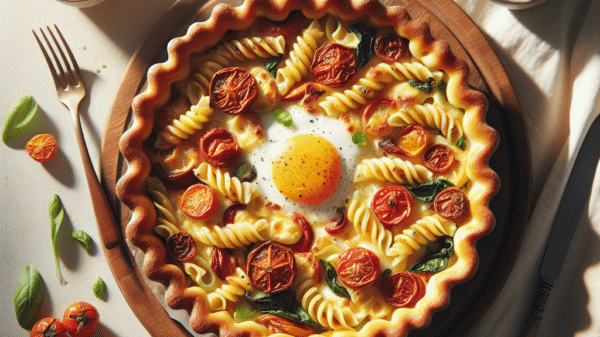
- Regional twists can be incorporated, such as Roman cacio e pepe which uses just cheese and black pepper, or Sicilian pasta alla Norma, featuring eggplant and ricotta.
- For modern or fusion versions, consider adding a touch of chili flakes or using zoodles (zucchini noodles) for a low-carb option.
Make Ahead, Storage & Reheating
Meal prep can be a breeze:
- Cook the pasta until it’s al dente and store it separately from the sauce, which can be made one day in advance.
- Store in the fridge for up to 3 days or freeze the sauce for up to 2 months.
To reheat pasta, gently toss it in a skillet with a little olive oil over medium heat, adding reserved pasta water to maintain moisture. Alternatively, bake it in the oven with a bit of sauce for a comforting casserole.
Nutrition (Approx.)
Each serving of this simple tomato pasta dish provides around:
- Calories: 450
- Protein: 15g
- Carbohydrates: 70g
- Fat: 10g
- Fiber: 6g
Keep in mind that variations in ingredients or portion sizes will affect these values.
Serving Suggestions
Enhance your dining experience with these pairing suggestions:
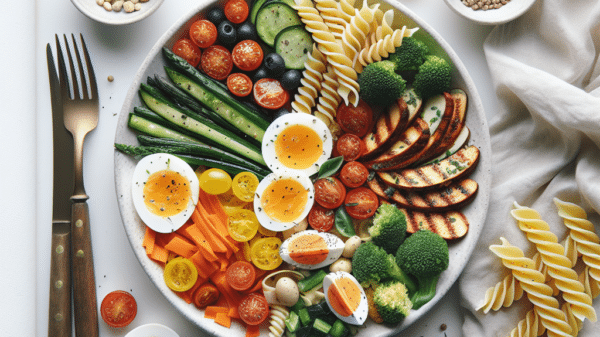
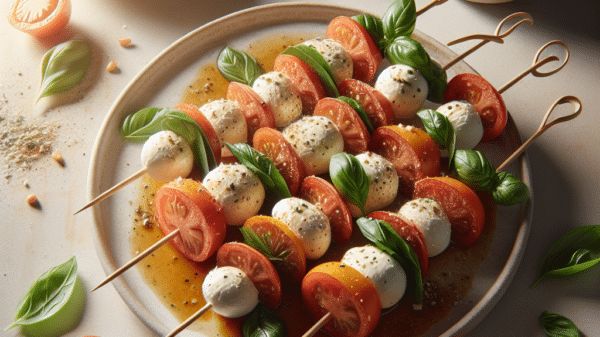
- Side dishes: Garlic bread, roasted vegetables, or a simple Caprese salad.
- Wines: Chianti or Pinot Grigio complement tomato-based pasta beautifully.
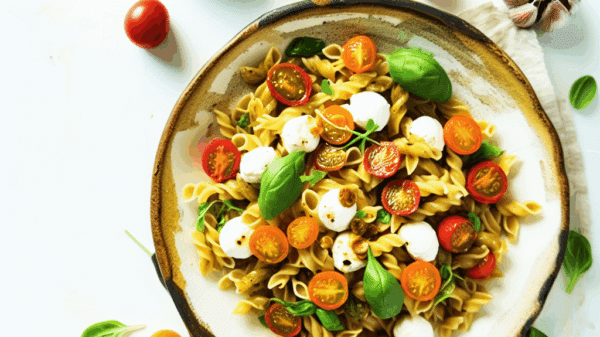
- For kids, try adding colorful cherry tomatoes for a fun twist, or top with cut-out shapes of cheese for a playful presentation.
FAQs
- How much salt should I add to pasta water? A tablespoon of salt per liter of water is recommended for optimal flavor.
- Can I freeze leftover pasta? It’s best to freeze the sauce separately to maintain the texture; pasta tends to become mushy when frozen.
- What’s the secret to creamy sauce without cream? Emulsifying with starchy pasta water is key to a creamy texture without added dairy.
- How do I stop pasta from sticking? Stir it frequently during the first few minutes of cooking, and never rinse your pasta after draining.
Conclusion
Tomato pasta dishes are not just meals but a celebration of Italian heritage. Remember the essential tips: cooking pasta al dente, using high-quality ingredients, and taking your time to balance flavors. As you explore these recipes, don’t hesitate to make them your own. We invite you to share your favorite Italian pasta dishes with us, keeping the spirit of Italy alive in your kitchen!