







Overview
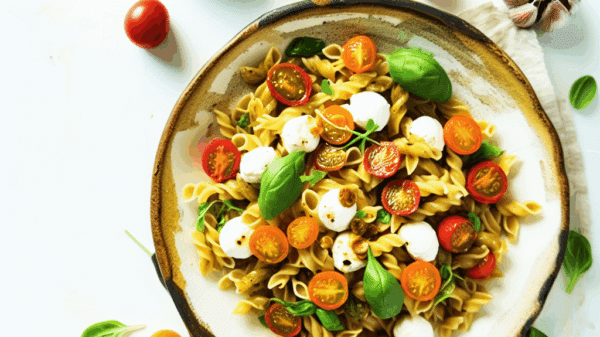
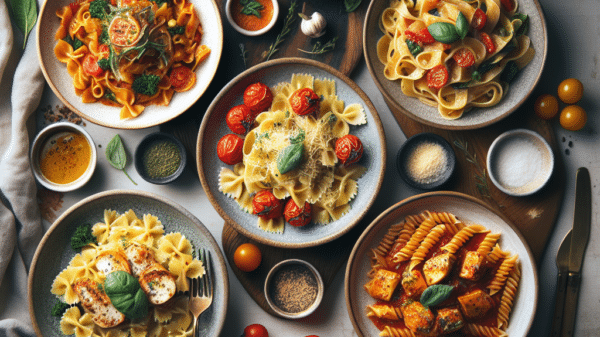
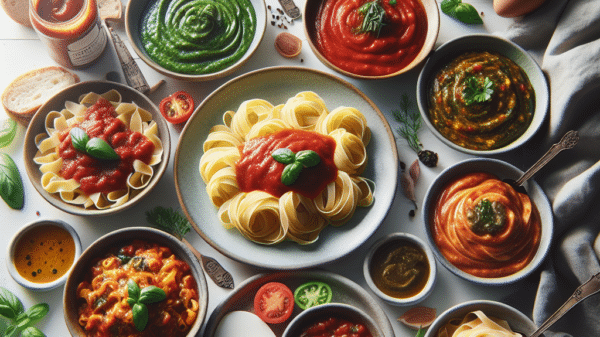
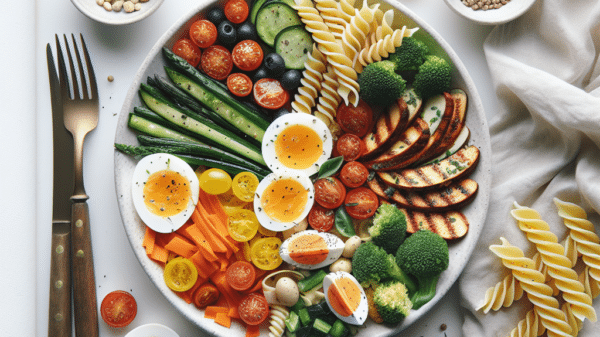
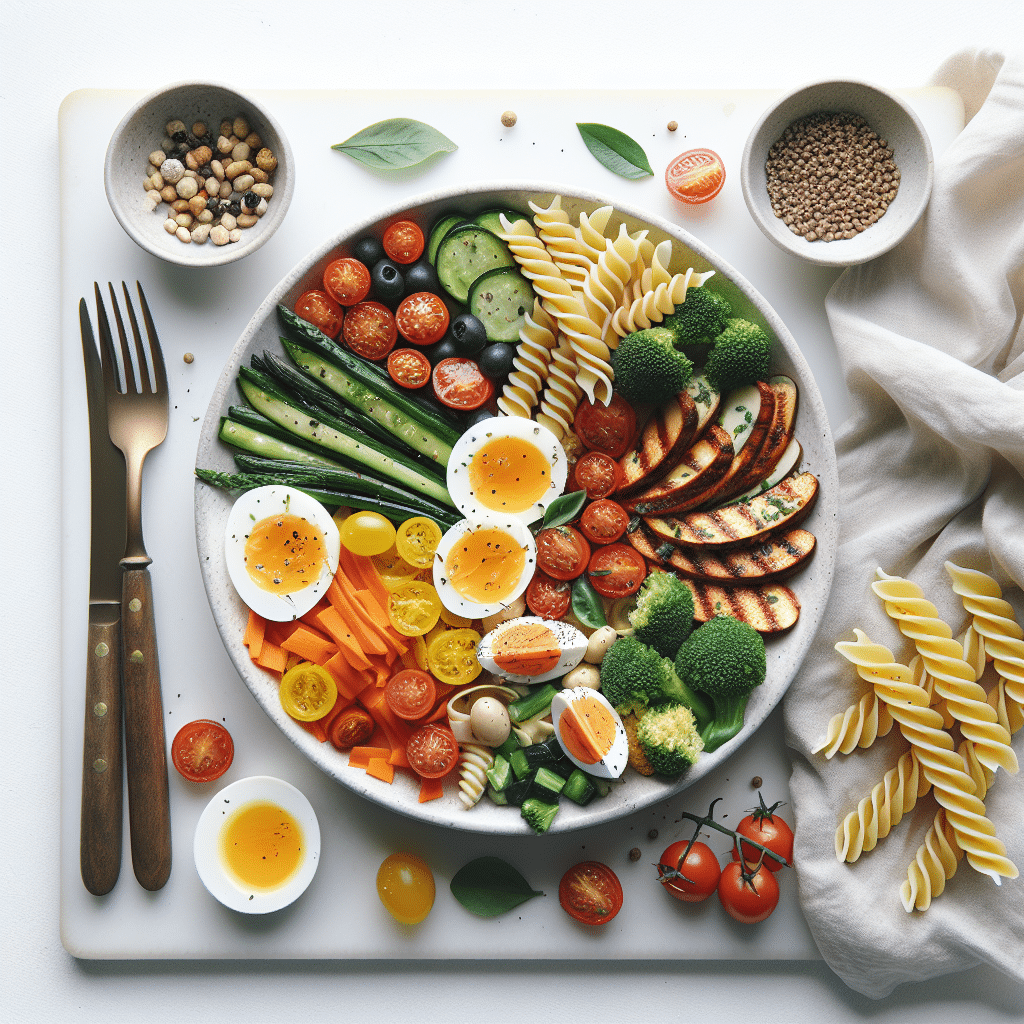
Italian pasta dishes have been a cornerstone of Italian cuisine for centuries, combining simplicity and rich flavors to create delectable meals enjoyed by many. Low carb Italian pasta dishes cater to those who wish to enjoy classic flavors while adhering to health-conscious dietary choices. These recipes are versatile enough to suit special occasions or speedy weeknight dinners. Most notably, this article focuses on dishes hailing from various Italian regions, specifically emphasizing the delightful balance of texture and flavor that makes them thrive.
Estimated Prep/Cook Time: 30-45 minutes
Difficulty: Easy to Moderate
Regional Origin: Various, including Roman and Neapolitan
Type: Comfort Dish
Ingredients
- 200g (7 oz) spaghetti or low carb alternative (e.g., zucchini noodles, shirataki noodles)
- 30ml (2 tbsp) extra-virgin olive oil
- 2 cloves garlic, minced
- 400g (14 oz) San Marzano tomatoes, crushed
- 100g (3.5 oz) Parmigiano-Reggiano cheese, grated
- 50g (1.75 oz) fresh basil, chopped
- Salt, to taste
- Freshly cracked black pepper, to taste
- (Optional) 200g (7 oz) protein (chicken, shrimp, or tofu)
Step-by-Step Instructions
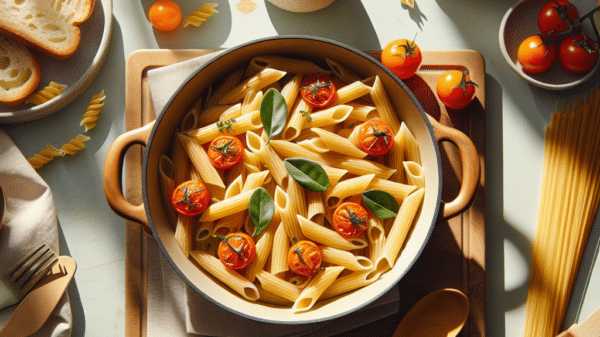
- Begin by boiling a large pot of salted water. Ensure it reaches a rolling boil before adding your chosen low carb pasta. Cook according to package instructions until it’s al dente (usually 1-2 minutes less than recommended).
- While the pasta cooks, heat the extra-virgin olive oil in a large skillet over medium heat. Add minced garlic and sauté for about 1 minute until fragrant, being careful to avoid browning.
- Stir in the crushed San Marzano tomatoes and cook for 10-15 minutes, allowing the flavors to meld. Season with salt and freshly cracked black pepper to taste.
- If using protein, add it to the sauce in the last few minutes of cooking to warm through and mix well.
- Once the pasta is done, reserve about half a cup of pasta water, then drain the pasta. Add the drained pasta to the skillet with sauce, tossing well to coat.
- To create a balanced sauce, add reserved pasta water a little at a time until you reach the desired consistency. Finish with fresh basil and grated Parmigiano-Reggiano.
Common Mistakes to Avoid:
– Overcooking pasta can lead to a mushy texture; aim for al dente.
– Be cautious not to curdle the sauce by adding cheese too quickly or directly to high heat.
– Use ample salt for boiling pasta—water should taste like the sea to enhance flavor.
Variations & Substitutions
For those with dietary restrictions or preferences, consider the following swaps:
- Gluten-free pasta: Choose gluten-free pasta varieties or use spiralized zucchini as a low-carb alternative.
- Vegan options: Replace cheese with nutritional yeast or a vegan cheese alternative for a plant-based twist.
- Regional twists: Experiment with different sauces like Roman cacio e pepe (using only Pecorino Romano and pepper), Sicilian pasta alla Norma (adding eggplant and ricotta), or Ligurian pesto sauce.
- Modern fusions: Incorporate elements from other cuisines, such as using spices found in Middle Eastern dishes to elevate your sauce.
Make Ahead, Storage & Reheating
Preparing meals in advance can save time and ensure you have delicious options ready to go:
- Cook pasta al dente and store it separately in an airtight container from the sauce to avoid sogginess.
- Fridge storage: Cooked pasta and sauce can be stored for 3-5 days. For longer storage, consider freezing.
- Freezer storage: Label and freeze your pasta and sauce in separate containers for up to 3 months.
For reheating, toss the pasta in a skillet with a splash of reserved pasta water on medium heat until warmed through. Alternatively, bake it in the oven covered with foil, ensuring not to dry out the pasta.
Nutrition (Approx.)
Each serving (using low carb pasta) should provide roughly:
- Calories: 350
Carbohydrates: 25g
Protein: 15g
Fat: 20g
Note that these values may vary based on ingredient substitutions or portion sizes, especially if you opt for traditional wheat pasta.
Serving Suggestions
Enhance your meal with thoughtful accompaniments:
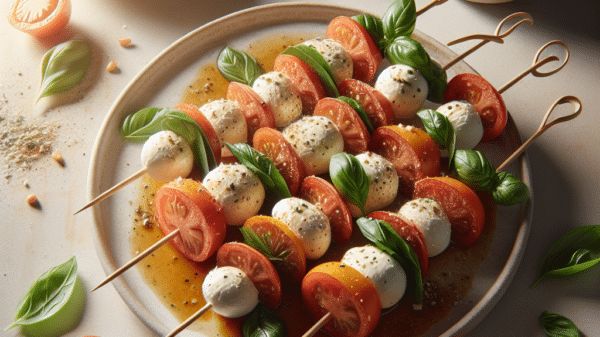
- Sides: Serve with a simple arugula salad dressed with lemon and olive oil or classic Caprese salad.
- Wines: Pair with Chianti for red lovers or Pinot Grigio for a crisp white option.
- Kid-friendly Ideas: Use fun pasta shapes or let kids assemble their own toppings for interactive eating. Plating can include adding a sprinkle of extra cheese or fresh basil for visual appeal.
FAQs
- How much salt should I add to pasta water?
About 1-2 tablespoons per liter (or quart) of water is ideal for flavor. - Can I freeze leftover pasta?
Yes, but it’s best to separate it from the sauce to maintain texture. - What’s the secret to creamy sauce without cream?
Use grated cheese and reserve pasta cooking water to create a creamy emulsion. - How do I stop pasta from sticking?
Ensure you stir regularly while cooking and avoid rinsing the pasta after straining.
Conclusion
Mastering low-carb Italian pasta dishes opens the door to delightful culinary experiences while honoring authentic Italian traditions. By understanding the essence of preparation, ingredient selection, and flavor balance, you can enjoy these meals without straying from your dietary goals. Embrace the versatility and flavors of Italian pasta, experimenting with new sauces, shapes, and ingredients to create fulfilling dishes that celebrate both the old and the new. We invite you to share your favorite Italian pasta dishes and join our community in exploring the wonderful world of low carb Italian cuisine.