





Overview
Making traditional Italian pasta is an art that combines high-quality ingredients with centuries of culinary tradition. This comprehensive guide is perfect for both novice cooks and seasoned chefs who wish to deepen their understanding of Italian pasta-making. The estimated prep and cook time is around 30-45 minutes, and the difficulty level is moderate, making it suitable for a comforting weeknight meal or a special occasion. Originating from various regions in Italy, this guide will emphasize tips relevant to the classic Roman pasta dishes.
Ingredients
- 400g (14 oz) of durum wheat pasta (e.g., spaghetti, fettuccine, or penne)
- 60ml (¼ cup) of extra virgin olive oil
- 2-3 cloves of garlic (minced)
- 400g (14 oz) of San Marzano tomatoes (canned, crushed)
- 50g (1.5 oz) of Parmigiano-Reggiano (grated)
- Salt (to taste)
- Pepper (to taste)
- Fresh basil leaves (optional, for garnish)
Step-by-Step Instructions
- Prepare the Water: Fill a large pot with water, about 4 liters (1 gallon), and bring it to a rolling boil. Add a generous amount of salt (approximately 1 tablespoon) to the water. This is crucial for flavoring the pasta.
- Cook the Pasta: Add the pasta to the boiling water. Stir immediately to prevent sticking. Cook according to the package instructions until it reaches al dente (usually about 8-10 minutes).
- Prepare the Sauce: While the pasta cooks, heat the olive oil in a large skillet over medium heat. Add minced garlic and sauté for 1-2 minutes until fragrant, being careful not to burn it.
- Add Tomatoes: Pour in the crushed San Marzano tomatoes. Stir to combine, and let the sauce simmer for about 10 minutes, allowing it to thicken slightly.
- Combine Pasta and Sauce: Reserve about 1 cup of pasta cooking water before draining the pasta. Add the drained pasta to the skillet with the sauce. Toss gently, adding reserved pasta water gradually until the sauce is well-emulsified and coats the pasta evenly.
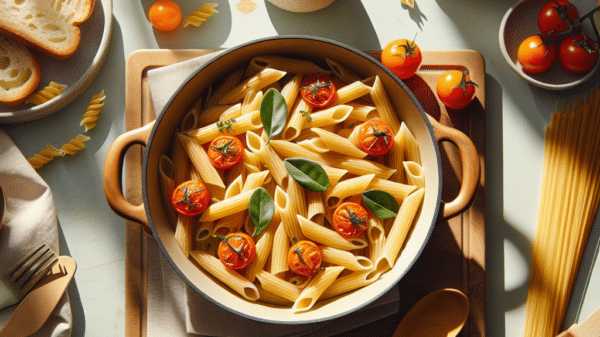
- Finish the Dish: Stir in grated Parmigiano-Reggiano, then season with salt and pepper to taste. Remove from heat and garnish with fresh basil if desired. Serve immediately.
Common Mistakes to Avoid
- Overcooking Pasta: Remember that pasta should always be al dente, meaning it retains a slight bite. Taste it a minute or two before the package time is up.
- Curdling Sauce: Adding cheese at the wrong temperature can lead to curdling. Make sure the sauce is slightly cooled before adding grated cheese and toss quickly to melt.
- Using Too Little Salt: Pasta water should taste like the sea. A well-salted cooking water elevates the flavor of the pasta itself. Don’t skip this step!
- Not Reserving Pasta Water: This starchy water is crucial for achieving the right sauce consistency. Always save a cup before draining your pasta.
Variations & Substitutions
For those with dietary preferences or restrictions:
- Gluten-Free: Substitute with gluten-free pasta made from quinoa, rice, or chickpeas.
- Vegan: Use a vegan cheese alternative and omit the cheese entirely for a lighter pasta dish.
- Low-Carb: Consider spiralized zucchini or spaghetti squash for a delicious low-carb alternative.
Regional variations offer unique experiences:
- Roman Cacio e Pepe: A simple yet rich dish made with just Pecorino Romano cheese and black pepper.
- Sicilian Pasta alla Norma: Combines eggplant, ricotta salata, and a rich tomato sauce.
- Ligurian Pesto: Pair with trofie or trenette pasta for a fresh, aromatic option.
Make Ahead, Storage & Reheating
You can prepare pasta dishes ahead of time by cooking the pasta al dente and storing it separately from the sauce. Here are some tips for storage:
- Refrigeration: Store cooked pasta and sauce in airtight containers in the refrigerator for up to 3 days.
- Freezing: Pasta can be frozen for up to 2 months, but it’s best to freeze the sauce separately.
To reheat, follow these methods:
- Stovetop: Place pasta and sauce in a pan over low heat, adding a splash of reserved pasta water as needed.
- Oven: Preheat oven to 190°C (375°F). Transfer to a baking dish, add a bit of water, cover with foil, and heat until warmed through.
Nutrition (Approx.)
Per serving, this traditional Italian pasta dish contains approximately:
- Calories: 540
- Protein: 16g
- Fat: 20g
- Carbohydrates: 70g
Note that variations in ingredients will affect overall nutrition.
Serving Suggestions
Enhance your meal with perfect pairings:
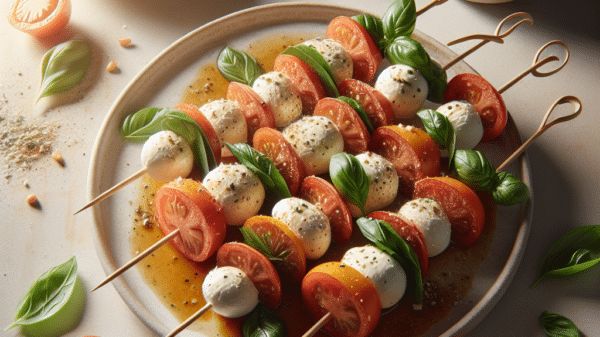
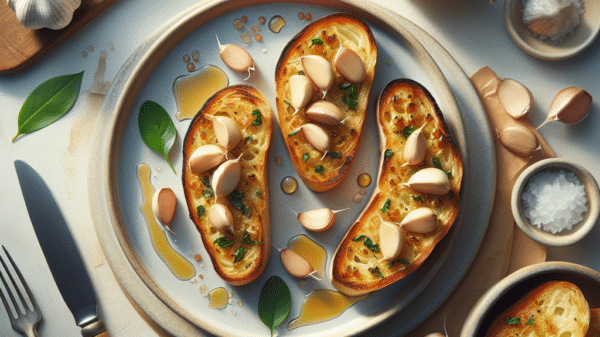
- Sides: Garlic bread is a classic choice, and a fresh Caprese salad brightens up the palate.
- Wine: A glass of Chianti or Pinot Grigio complements the richness of the dish beautifully.
For families, consider adding sautéed vegetables to the pasta for an added crunch. To impress guests, a sprinkle of fresh herbs and a drizzle of high-quality olive oil can elevate the presentation.
FAQs
- How much salt should I add to pasta water? Aim for about 1 tablespoon of salt per 4 liters (1 gallon) of water.
- Can I freeze leftover pasta? Yes, but it’s best to freeze in portions and separately from any sauce.
- What’s the secret to creamy sauce without cream? Emulsifying pasta water with cheese creates a creamy texture without needing dairy.
- How do I stop pasta from sticking? Stir the pasta occasionally while cooking and add oil to the water if necessary.
Conclusion
By avoiding common mistakes and embracing authentic ingredients, making traditional Italian pasta can be both joyous and rewarding. Understand your regional heritage, experiment with new flavors, and don’t hesitate to try unique sauces or pasta shapes. Share your favorite Italian pasta dishes and experiences in the comments below, and let’s celebrate the rich tradition of Italian cooking together!