





Overview
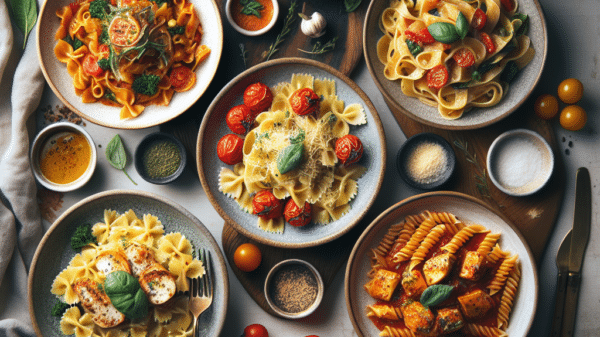
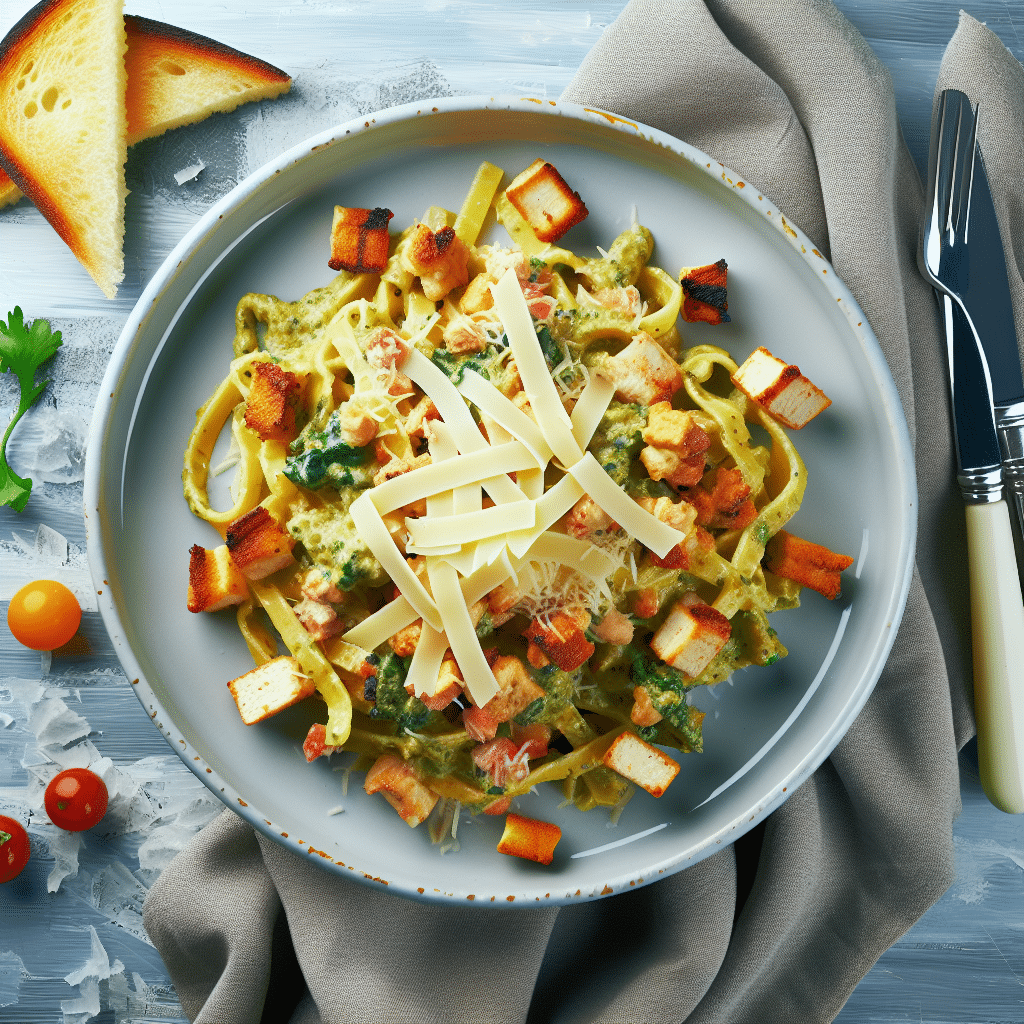
Italian pasta dishes offer a luscious escape into the flavors and traditions of Italy. Perfect for home cooks looking to elevate their culinary skills, these creamy recipes embody the heart of Italian comfort food. With preparation times ranging from 30 minutes to an hour, they cater to those seeking quick meals or special-occasion recipes. Originating from various Italian regions such as Lombardy and Emilia-Romagna, these dishes present a chance to infuse your dinner game with authentic Italian cuisine.
Ingredients
- 300 grams (10.5 oz) of fettuccine or linguine (durum wheat pasta)
- 100 grams (3.5 oz) of Parmigiano-Reggiano, grated
- 200 ml (¾ cup) of heavy cream or vegan cream alternative
- 2 tablespoons (30 ml) of extra-virgin olive oil
- 2 cloves of garlic, minced
- Salt, to taste
- Pepper, to taste
- Fresh herbs (like basil or parsley) for garnish
- Protein or vegetable add-ins: grilled chicken, shrimp, mushrooms, or spinach
Step-by-Step Instructions
- Boil Water: Fill a large pot with water, salt it generously (about 1 tablespoon of salt for every 4 liters of water), and bring it to a rolling boil.
- Cook the Pasta: Add the pasta and cook until just al dente, usually 8-10 minutes. Stir occasionally to prevent sticking. Reserve 1 cup of pasta water before draining.
- Sauté Aromatics: In a large skillet, heat the extra-virgin olive oil over medium heat. Add minced garlic and sauté for about 1 minute until fragrant—avoid browning.
- Add Cream: Pour in the heavy cream, bringing it to a gentle simmer. Stir continuously for about 2 minutes.
- Add Cheese: Gradually mix in the grated Parmigiano-Reggiano, stirring until melted and the sauce thickens, about another 2-3 minutes.
- Combine Pasta and Sauce: Add the drained pasta to the skillet, tossing to evenly coat. If the sauce is too thick, incorporate reserved pasta water, a little at a time, until the desired consistency is achieved.
- Season and Serve: Season with salt and pepper to taste, and garnish with fresh herbs before serving.
Common Mistakes to Avoid: Overcooking the pasta can lead to a mushy texture; ensure it’s al dente. Be cautious not to overheat the cream, which could curdle. Lastly, don’t skimp on salt in your cooking water—it enhances the pasta’s flavor.
Variations & Substitutions
For those with dietary restrictions or preferences, consider these swaps:
- Gluten-Free: Use gluten-free pasta made from chickpeas or brown rice.
- Vegan: Substitute heavy cream with coconut cream and use vegan Parmigiano-Reggiano.
- Low-Carb: Replace traditional pasta with zucchini noodles or spaghetti squash.
Regional twists could include:
- Cacio e Pepe: Skip the cream, and focus on Pecorino Romano and cracked black pepper for a simple yet flavorful dish.
- Vongole: Add clams and a splash of white wine for a coastal variation.
- Pasta alla Norma: Incorporate eggplant and a tomato-based sauce for a Sicilian flair.
Make Ahead, Storage & Reheating
Meal prepping is simple: cook the pasta al dente and let it cool before storing it separately from the sauce. In the fridge, cooked pasta can last for 3-5 days, while the sauce can be kept for 3 days. For longer storage, freeze in an airtight container for up to 3 months.
When reheating, avoid the microwave as it can make pasta rubbery. Instead, warm it on the stovetop, adding a splash of water or broth to restore moisture. Alternatively, you can bake oven-cooked pasta pastas in a covered dish at 180°C (350°F) until heated through.
Nutrition (Approx.)
Each serving contains around 500-600 calories, 25 grams of protein, 38 grams of carbohydrates, and 30 grams of fat, depending on ingredients used and portion sizes. Substitutions like plant-based creams can alter macronutrients significantly, so it’s best to calculate according to your preferences.
Serving Suggestions
Pair your creamy pasta with:
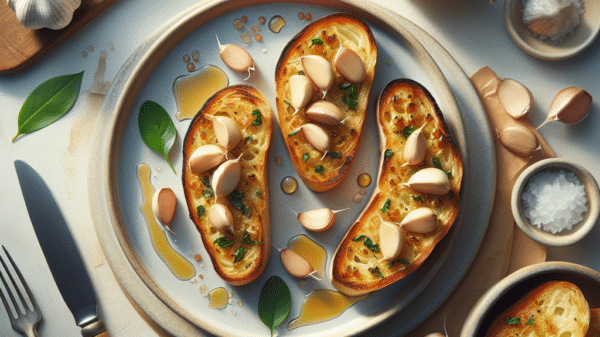
- Garlic bread for a delightful crunch.
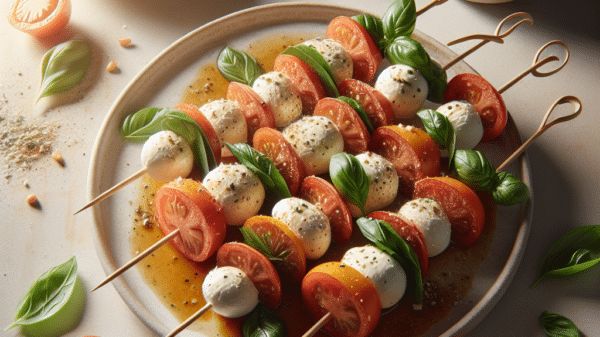
- A fresh Caprese salad with ripe tomatoes, mozzarella, and basil.
- Wine pairings such as Chianti or a crisp Pinot Grigio enhance the meal.
For a kid-friendly presentation, try shaping the pasta into fun forms or creating pasta nests topped with cheese. Colorful garnishes like peas or mixed herbs also make the dish visually appealing.
FAQs
How much salt should I add to pasta water?
Generally, 1 tablespoon of salt for every 4 liters of water is ideal for enhancing flavors without being overpowering.
Can I freeze leftover pasta?
Yes, cooked pasta can be frozen for up to 3 months. It’s best to freeze it before mixing with sauce.
What’s the secret to creamy sauce without cream?
Using starchy pasta water mixed with cheese can create a silky sauce without the need for heavy cream.
How do I stop pasta from sticking?
Stir the pasta during the first couple of minutes of boiling, and make sure to use enough water.
Conclusion
Mastering Italian pasta dishes can be an enriching culinary journey, blending tradition and personal flair. Remember to respect Italian cooking methods, focusing on the quality of ingredients, and enjoy the authenticity of flavors. Challenge yourself to play with different sauces and pasta shapes. Share your new discoveries or favorite Italian pasta dishes with us!