

Overview
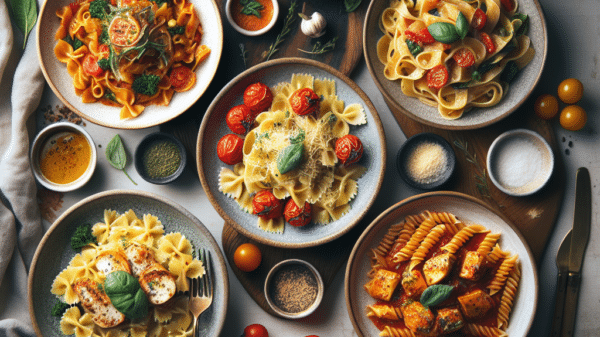
Italian pasta is more than just a dish; it is a culinary symbol of comfort, celebrated across the globe. This article will guide you in crafting authentic vegan Italian pasta, making it perfect for those seeking a hearty meal without animal products. Estimated prep time is around 20 minutes, with a cooking time of approximately 15 minutes, resulting in an overall difficulty rating of moderate. While pasta originates from several regions in Italy, this guide blends techniques and flavors popular across regions like Tuscany, Rome, and Sicily. Whether you’re preparing a quick weeknight dinner or a special occasion feast, you’ll find something to delight every palate.
Ingredients
- 400g (14 oz) durum wheat pasta (spaghetti, penne, or your choice) – look for vegan options
- 1 can (400g) San Marzano tomatoes, crushed
- 3 cloves garlic, minced
- 60 ml (1/4 cup) extra-virgin olive oil
- 1 tsp sea salt (for pasta water)
- Black pepper to taste
- Fresh basil leaves (for garnish)
- Vegan cheese (e.g., cashew-based Parmesan or store-bought vegan cheese) – optional
Feel free to add protein sources like chickpeas or vegetables such as zucchini or spinach for a complete meal.
Step-by-Step Instructions
- In a large pot, bring 4 liters (1 gallon) of water to a rolling boil. Add 1 tsp of salt.
- Once boiling, add the pasta. Stir gently to prevent sticking, and cook for 8-10 minutes, until al dente. Check the package for specific timing.
- While the pasta cooks, heat olive oil in a pan over medium heat. Add minced garlic and sauté for about 1 minute until fragrant but not browned.
- Add the crushed San Marzano tomatoes to the pan. Season with black pepper and simmer for about 10 minutes, allowing the sauce to thicken.
- Once the pasta is cooked, reserve a cup of pasta water and drain the rest. Add the drained pasta to the sauce.
- Pour in organic pasta water, a little at a time, while tossing the pasta to emulsify the sauce. It should coat the pasta nicely without being too watery.
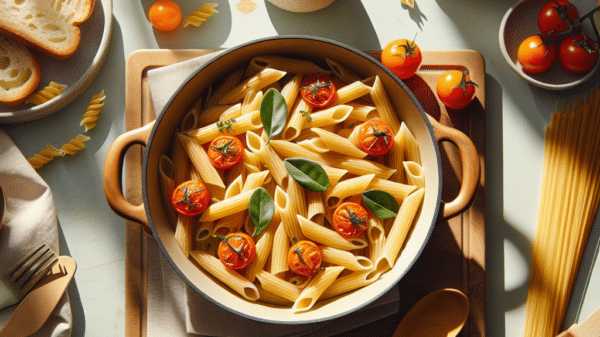
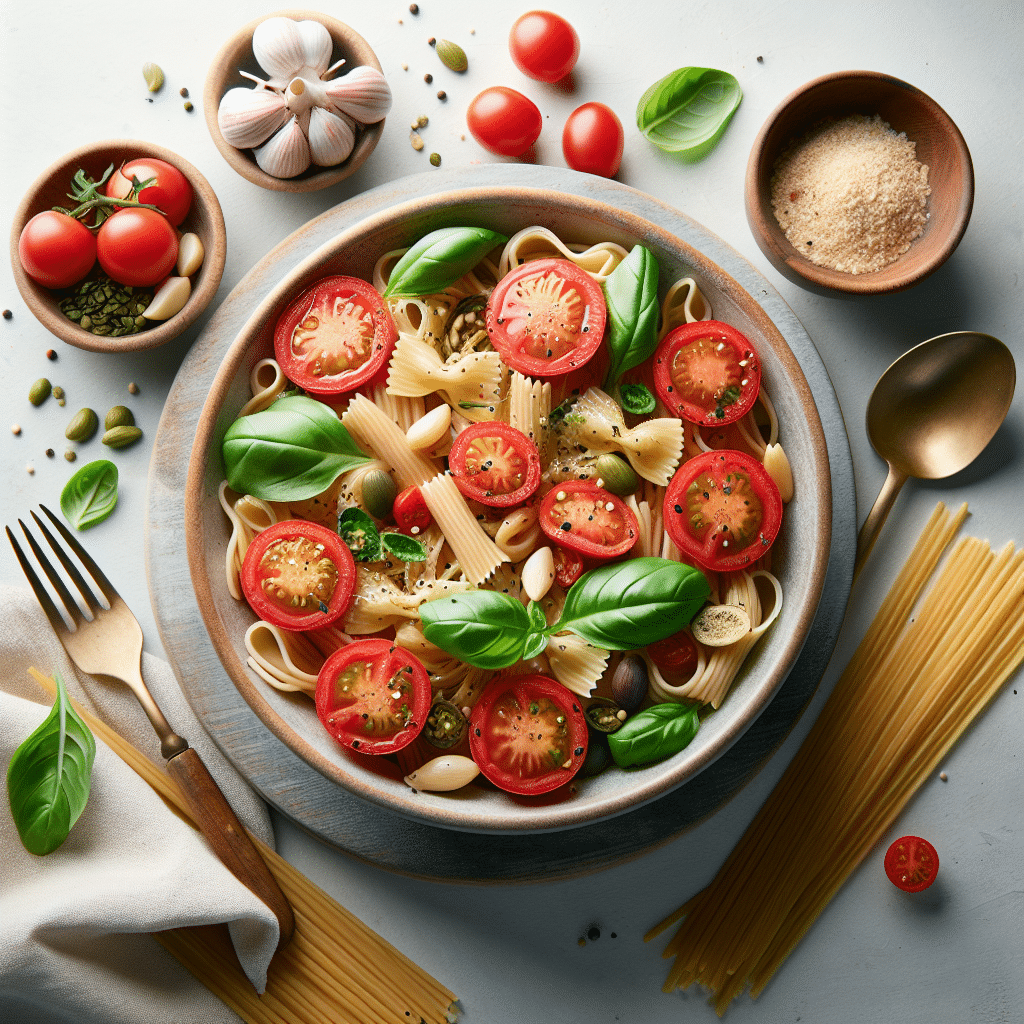
- Serve immediately, garnished with fresh basil and optional vegan cheese. Enjoy!
Common mistakes to avoid include overcooking the pasta, curdling the sauce by adding cold ingredients too quickly, and not using enough salt in the water.
Variations & Substitutions
For gluten-free options, choose gluten-free pasta made from rice or quinoa. Vegan cheese alternatives made from nuts or soy can enhance texture and flavor without dairy. You can also try low-carb versions by substituting traditional pasta with zoodles (zucchini noodles).
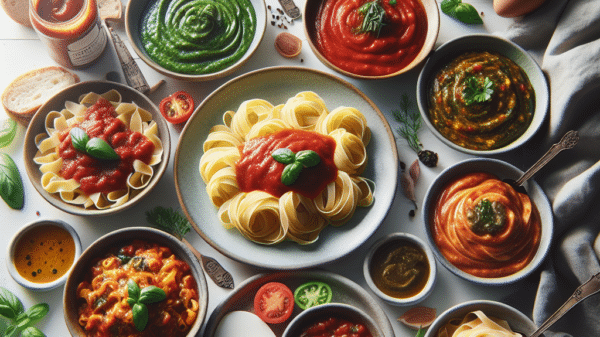
Explore regional variations such as:
- Roman Cacio e Pepe: Use vegan cheese and freshly cracked black pepper.
- Sicilian Pasta alla Norma: Incorporate roasted eggplant, basil, and a sprinkle of nutritional yeast.
- Ligurian Pesto: Blend fresh basil, garlic, pine nuts, and nutritional yeast for an oil-based sauce.
For a modern twist, create a fusion dish with Asian flavors by adding soy sauce or miso to the sauce base.
Make Ahead, Storage & Reheating
You can meal-prep by cooking the pasta al dente and storing it in an airtight container separate from the sauce. Refrigerated pasta should be consumed within 3-5 days, while frozen pasta can last for up to 2 months.
To reheat, thaw frozen pasta overnight in the refrigerator. Gently toss cooked pasta with a little olive oil on the stovetop or bake it in the oven at 180°C (350°F) for about 15 minutes, adding a splash of sauce if needed to maintain moisture.
Nutrition (Approx.)
Each serving of this vegan Italian pasta dish contains approximately 350 calories, 10g protein, 10g fat, and 60g carbohydrates. Nutritional values may change based on ingredient substitutions, such as using gluten-free or lower-calorie pasta.
Serving Suggestions
Enhance your meal with delectable sides such as:
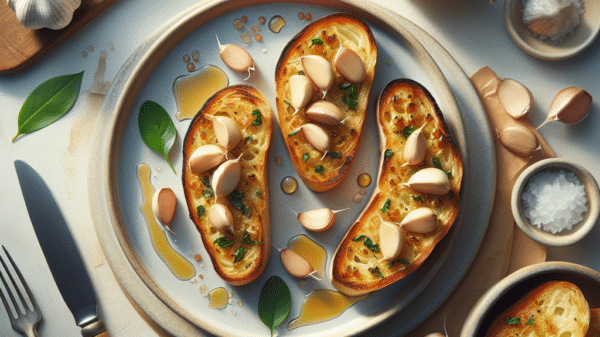
- Garlic bread or bruschetta
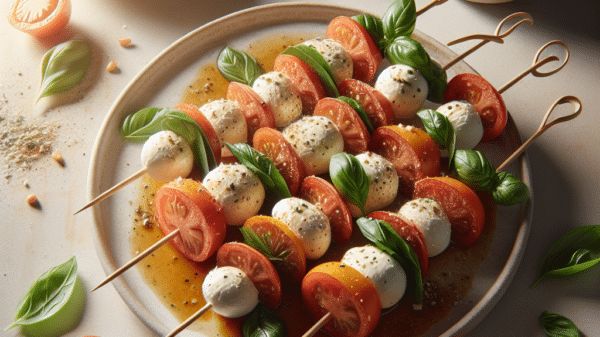
- Caprese salad with fresh tomatoes and basil
- A glass of Chianti or Pinot Grigio
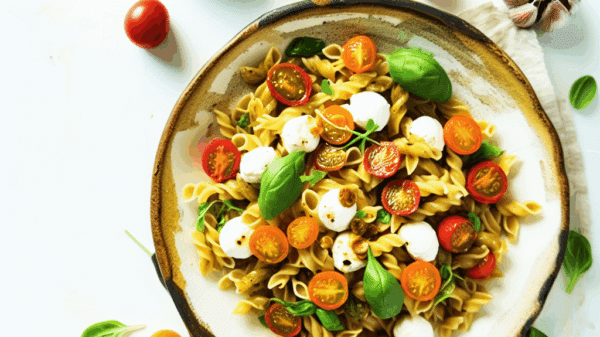
For families, serve pasta in fun shapes or mix in colorful vegetables, making it visually appealing for kids. A simple plating tip: drape the pasta loosely and top with sauce, garnishing with fresh herbs for a restaurant-quality presentation.
FAQs
- How much salt should I add to pasta water? About 1 tablespoon for every 4 liters of water; it should taste like the sea.
- Can I freeze leftover pasta? Yes, but it’s best to freeze pasta without sauce or with extra moisture to prevent drying out.
- What’s the secret to creamy sauce without cream? Emulsifying pasta water into the sauce creates a rich texture.
- How do I stop pasta from sticking? Stir it frequently during cooking and avoid rinsing after draining.
Conclusion
Crafting authentic vegan Italian pasta involves respecting traditional techniques while adapting ingredients to fit dietary needs. Key tips include cooking al dente pasta, ensuring flavorful sauce emulsification, and being creative with regional twists. Don’t hesitate to explore new sauces or pasta shapes—Italian cooking celebrates innovation! Share your favorite Italian pasta creations with us, and let’s keep the culinary adventure alive.