





Overview
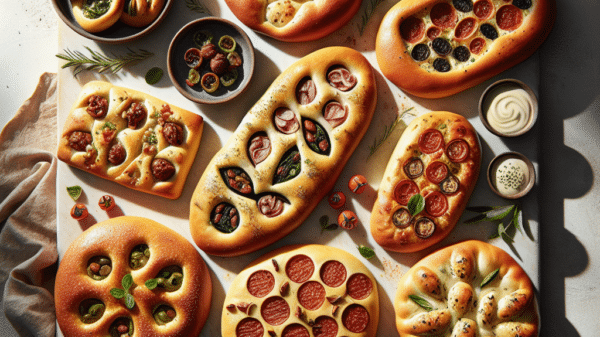
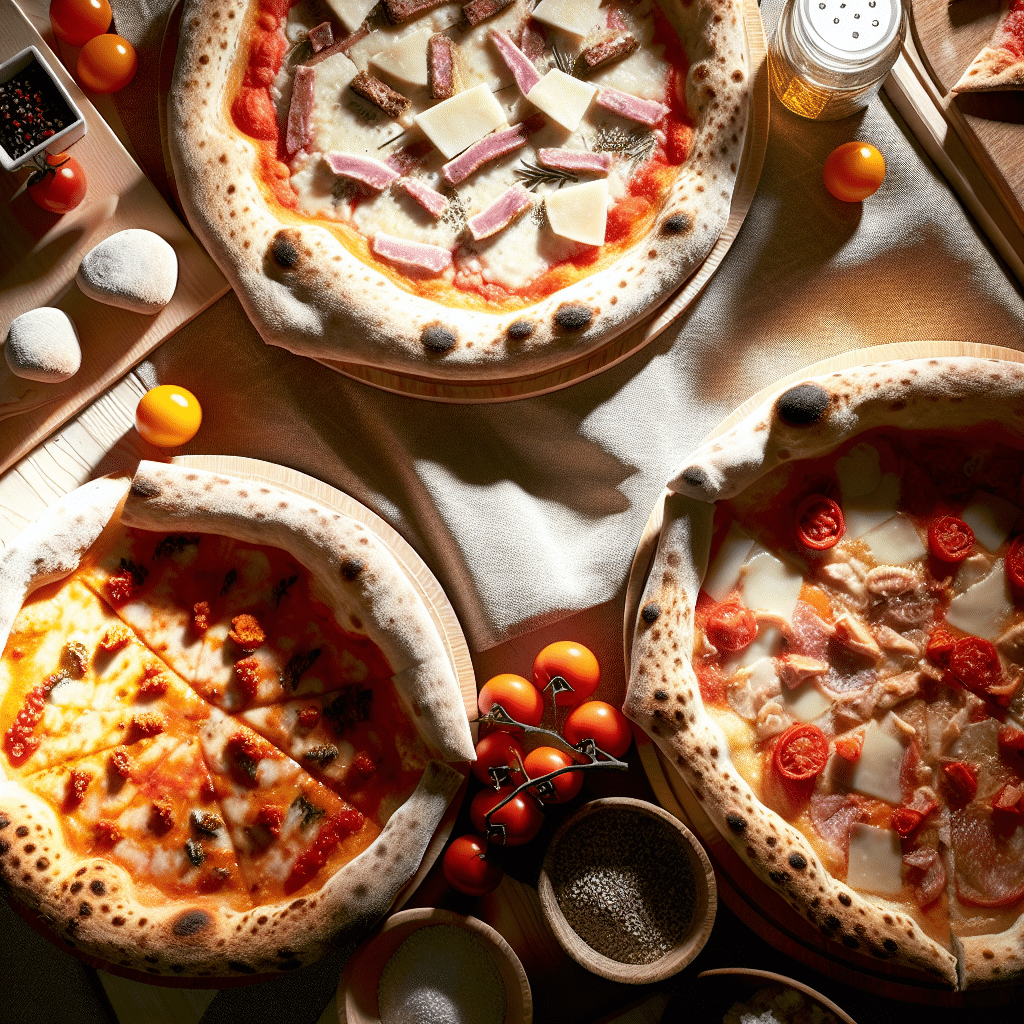
Mastering authentic Italian pizza is both a labor of love and an exploration of regional culinary traditions. This beloved dish is perfect for home cooks of all skill levels, from novices to seasoned chefs. Expect to spend about 2 hours total, including preparation and cooking time, with a difficulty rating of medium. Italian pizza varies significantly depending on its origin, with famous styles including Neapolitan, Roman, and Sicilian.
The flavor profile showcases a harmonious blend of fresh, high-quality ingredients, often resulting in a deliciously crispy crust, aromatic toppings, and rich sauces that transport you straight to Italy. It’s an excellent choice for a weeknight dinner, a fun family meal, or a festive gathering with friends.
Ingredients
- For Neapolitan Pizza:
- 500 g (4 cups) “00” flour
- 325 ml (1⅓ cups) water
- 15 g (1 tablespoon) sea salt
- 0.5 g (1 teaspoon) active dry yeast
- 400 g (14 oz) canned San Marzano tomatoes
- 250 g (9 oz) fresh mozzarella cheese
- Fresh basil leaves
- Extra-virgin olive oil
- For Roman Pizza:
- 500 g (4 cups) flour
- 350 ml (1⅓ cups) water
- 10 g (2 teaspoons) sea salt
- 1 g (½ teaspoon) active dry yeast
- 250 g (9 oz) mozzarella fior di latte
- 100 g (3½ oz) prosciutto
- Rucola (arugula)
- Parmesan cheese for shaving
- For Sicilian Pizza:
- 800 g (6½ cups) all-purpose flour
- 500 ml (2 cups) water
- 15 g (1 tablespoon) sea salt
- 2 g (1 teaspoon) active dry yeast
- 400 g (14 oz) crushed tomatoes
- 200 g (7 oz) salami
- 200 g (7 oz) onion
- Fresh oregano and pecorino cheese
Step-by-Step Instructions
- Prepare the Dough:
Mix the flour and yeast in a bowl. Gradually add water and salt, blending until a dough forms. Knead for about 10 minutes until smooth.
- First Rise:
Let the dough rise in a warm area for 1-2 hours until it doubles in size. Avoid over-proofing, which can lead to a chewy texture.
- Shape the Pizza:
After the dough has risen, divide it into portions (for individual pizzas). Gently stretch each portion into a round shape, ensuring the edges are slightly thicker to hold the toppings.
- Add Toppings:
Top with crushed tomatoes, slices of mozzarella, and a drizzle of olive oil. For Neapolitan-style, keep it simple, adding just fresh basil afterward.
- Bake:
Preheat your oven to its highest temperature (around 250°C or 482°F). Place the pizza on a hot pizza stone or directly on the oven rack and bake for about 8-10 minutes.
- Finishing Touches:
Remove from the oven, let cool for a minute, garnish with fresh herbs, and serve immediately for optimal flavor and texture.
Variations & Substitutions
- Make your pizza vegan by substituting mozzarella with plant-based cheese or using extra vegetables.
- Use gluten-free flour to accommodate those with gluten sensitivities; just ensure you adjust the hydration level.
- For a modern twist, try alternative toppings like fig, goat cheese, or arugula.
- Explore regional extras: Sicilian pizzas can include capers, while Roman might feature artichokes or more cured meats.
Make Ahead, Storage & Reheating
You can prepare the dough ahead of time and keep it in the fridge for up to 3 days. Alternatively, freeze the dough for up to a month. When ready, let it thaw in the fridge overnight and bring it to room temperature before shaping.
Store leftover pizza in an airtight container in the refrigerator for 2-3 days. To reheat, place in a preheated oven at 180°C (350°F) for about 10 minutes, ensuring the crust remains crispy.
Nutrition (Approx.)
Calories: 250-300 per serving (varies by toppings)
- Protein: 10-15g
- Carbohydrates: 30-40g
- Fat: 10-15g
These values will vary depending on toppings and portion size. Vegan and gluten-free substitutions can alter these estimates, so adjust accordingly.
Serving Suggestions
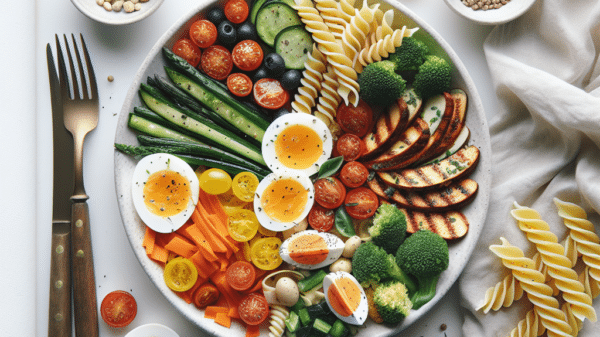
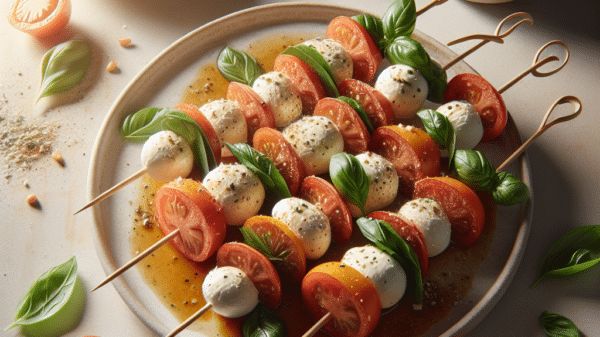
Pair your pizza with a fresh Italian salad, such as a Caprese salad made with ripe tomatoes and basil, or serve alongside grilled vegetables for a delightful balance. For a festive touch, accompany with Chianti or other Italian reds. For kid-friendly plating, cut into smaller, manageable slices and offer a selection of dips.
Consider garnishing with freshly grated Parmigiano-Reggiano or a drizzle of high-quality olive oil for finishing touches.
FAQs
Q: Can I use regular flour instead of ’00’ flour?
A: Yes, but the texture may not be as authentic. ’00’ flour produces a lighter, crisper crust.
Q: How do I avoid a soggy pizza?
A: Ensure your oven is fully preheated, bake on a hot surface, and avoid adding excessive toppings.
Q: Can I prepare the sauce in advance?
A: Absolutely! A simple crushed tomato sauce can be made a day ahead and refrigerated.
Q: What if I don’t have a pizza stone?
A: A baking sheet turned upside down can work as an alternative baking surface; just be sure it’s very hot when placing the pizza on it.
Q: How can I make my dough rise faster?
A: Place your dough in a warm, draft-free area or use the oven’s proofing setting if available.
Conclusion
Mastering authentic Italian pizza is a rewarding experience that highlights rich regional traditions and fresh ingredients. Remember to focus on the quality of your ingredients and embrace experimentation with toppings. Whether sticking to traditional styles or adding modern twists, every pizza you create will tell a story of Italian culinary heritage. We encourage you to try these variations, explore different pizzas from across Italy, and share your delicious results with us!