






Overview
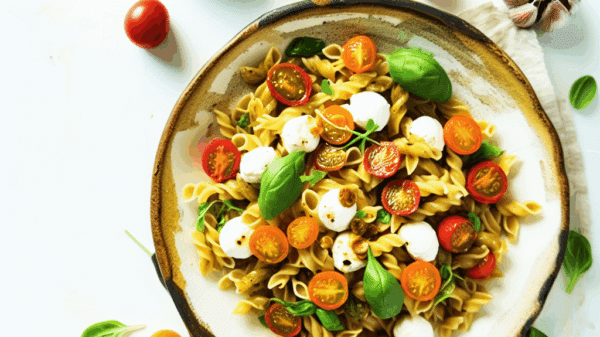
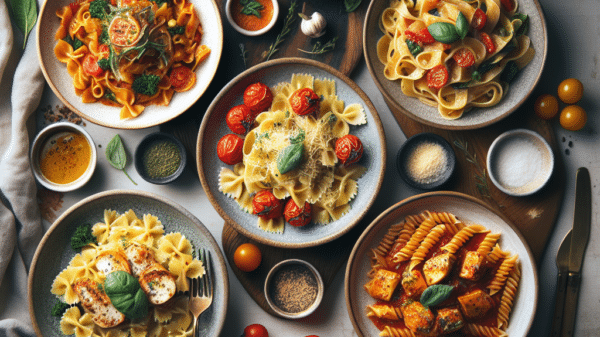
Pasta is a quintessential Italian dish enjoyed worldwide, beloved for its versatility and comforting flavors. This article is designed for home cooks at all skill levels eager to master authentic Italian pasta. We will guide you through common mistakes to avoid when preparing your pasta. The preparation and cooking time is approximately 30 minutes, and the difficulty level is easy to moderate. Originating from various regions of Italy, our focus will vary from Tuscan classics to Roman staples.
This dish is perfect as a comfort meal or for special occasions when you want to impress family and friends.
Ingredients
- 400g (14 oz) durum wheat pasta (spaghetti, fettuccine, or your choice)
- 2 tbsp (30 ml) extra-virgin olive oil
- 400g (14 oz) San Marzano tomatoes, crushed
- 100g (3.5 oz) Parmigiano-Reggiano, grated
- 1 tsp (5g) sea salt (for pasta water)
- 1 tsp (5g) freshly ground black pepper
- Optional Add-Ins:
- 200g (7 oz) protein (chicken, shrimp, or sausage)
- 150g (5 oz) seasonal vegetables (zucchini, spinach, or asparagus)
Step-by-Step Instructions
- Bring a large pot of salted water to a boil. Use about 1 tablespoon of salt per liter of water.
- Add your choice of pasta to the boiling water and stir gently. Cook according to package instructions until al dente (typically 8-10 minutes).
- While the pasta cooks, heat olive oil in a large skillet over medium heat. For about 2 minutes, sauté garlic until fragrant, but not browned.
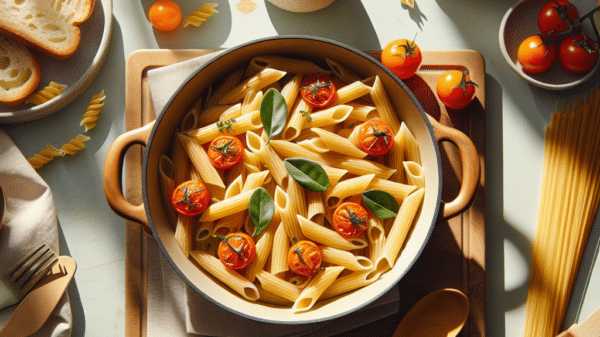
- Add the crushed San Marzano tomatoes to the skillet, season with salt and pepper, and let simmer for about 10 minutes.
- If adding protein, cook it separately in another pan and then combine it with the sauce.
- Reserve about 1 cup of pasta water. Drain the pasta, then add it directly to the skillet with your sauce.
- Gently toss the pasta in the sauce for about 1 minute. Add reserved pasta water incrementally until you achieve a balanced sauce coating.
- Off the heat, add the grated Parmigiano-Reggiano for an extra creamy finish. Serve immediately.
Common Mistakes to Avoid:
- Overcooking the pasta.
- Curdling the sauce by adding cheese too quickly.
- Using too little salt in your cooking water, which enhances the pasta’s flavor.
Variations & Substitutions
For those with dietary restrictions, here are some viable swaps:
- Gluten-free: Opt for gluten-free pasta made from rice or chickpeas.
- Vegan: Substitute cheese with nutritional yeast or a vegan cheese alternative.
- Low-Carb: Consider zoodles (zucchini noodles) for a lighter approach.
Regionally, you could explore:
- Roman-style cacio e pepe with just cheese and pepper.
- Sicilian pasta alla Norma featuring eggplant.
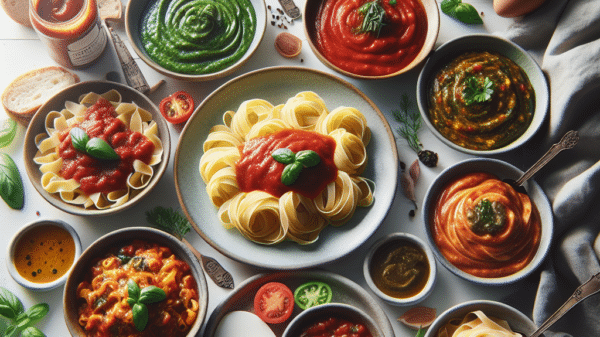
- Ligurian pesto paired with trofie pasta.
Feel free to innovate with fusion ideas while respecting the spirit of Italian cuisine.
Make Ahead, Storage & Reheating
If you plan to meal-prep, cook the pasta al dente and store it separately from the sauce. Cooked pasta can be stored in an airtight container in the fridge for up to 3 days and can be frozen for 1 month.
When reheating, toss the pasta on the stovetop with a small amount of water or oil for best results. Alternatively, bake in the oven with sauce for a comforting baked pasta dish.
Nutrition (Approx.)
Per serving (based on standard servings), expect:
- Calories: 550
- Protein: 20g
- Carbohydrates: 70g
- Fat: 18g
Note that nutrition facts may vary based on ingredient substitutions or portion sizes.
Serving Suggestions
For an authentic Italian experience, consider pairing your pasta with:
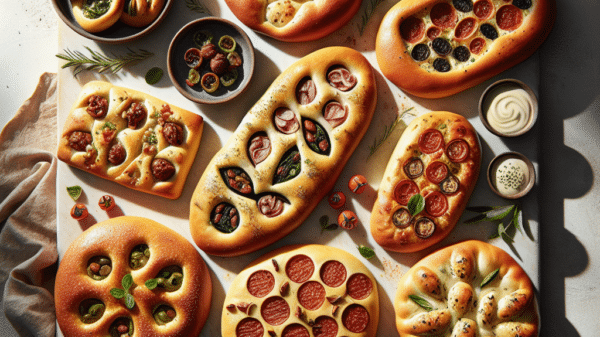
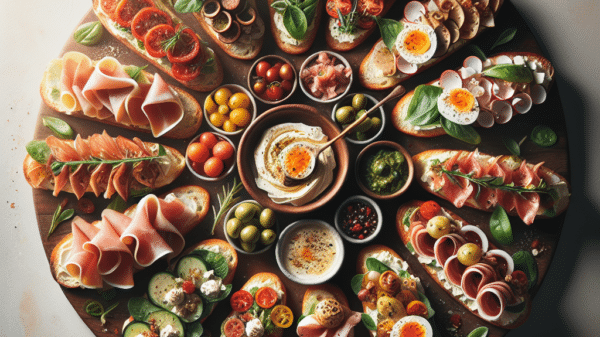
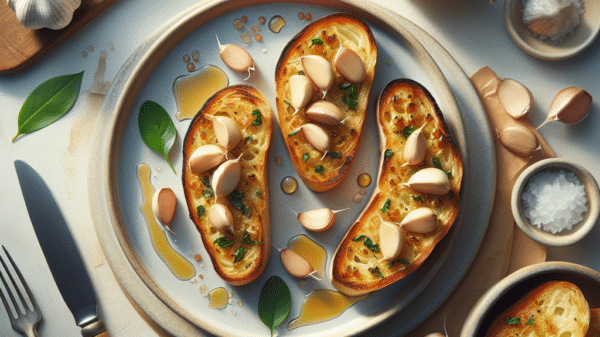
- Garlic bread or bruschetta as a side.
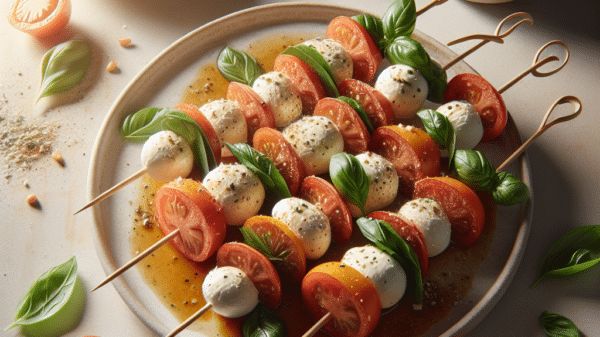
- A fresh Caprese salad to add vibrant flavors.
- Wines like Chianti or Pinot Grigio to elevate your meal.
For families, try creative plating with colorful vegetables, and encourage kids to get involved in the cooking process. Presentation: serve in warmed bowls with a sprinkle of additional cheese on top.
FAQs
How much salt should I add to pasta water?
Add around 1 tablespoon of salt per liter of water for optimal flavor.
Can I freeze leftover pasta?
Yes, you can freeze cooked pasta without sauce, but it’s best to consume it within a month.
What’s the secret to a creamy sauce without cream?
Emulsifying pasta water with your sauce helps achieve a creamy texture using just cheese and olive oil.
How do I stop pasta from sticking?
Toss the pasta with a drizzle of olive oil after draining, and ensure you cook it in sufficiently salted water.
Conclusion
Mastering authentic Italian pasta is all about understanding the ingredients, techniques, and cultural significance behind each dish. Remember to keep it simple and focus on quality components for the best results. Don’t hesitate to experiment with different sauces or pasta shapes that pique your interest, and share your culinary adventures with us. Buon appetito!