

Overview
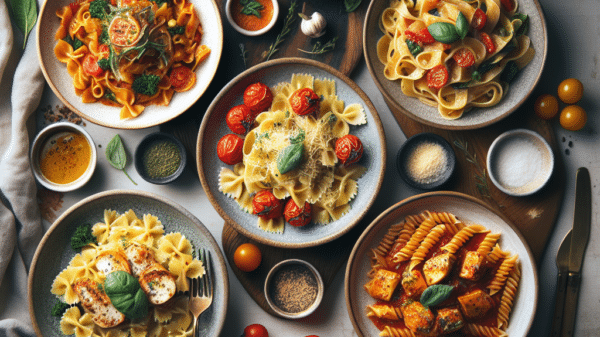
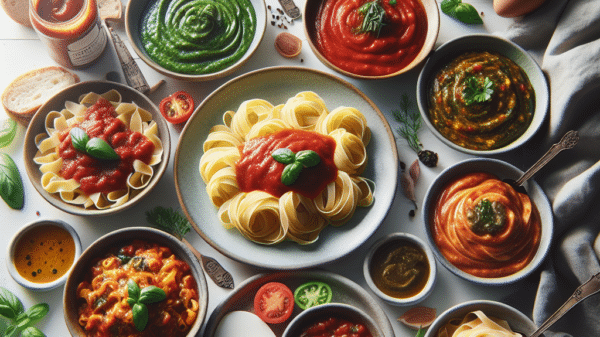
Italian pasta is a cornerstone of cuisine that embodies comfort, tradition, and versatility. Whether you’re savoring a creamy Cacio e Pepe from Rome or a fresh Pesto alla Genovese from Liguria, each region offers distinct flavors and techniques. This article is tailored for anyone seeking to master gluten-free Italian pasta recipes, whether you’re a home cook, a foodie, or someone with dietary restrictions.
Estimated prep time is about 15 minutes, with a cook time of 15 minutes for sauces. The difficulty level is set to moderate, making it a perfect fit for comfortable weeknight dinners or special occasions. The focus will be on versatile recipes that allow for experimentation with authentic Italian ingredients while ensuring everyone can enjoy them.
Ingredients
- 300g (10.5 oz) gluten-free pasta (such as rice flour, corn flour, or a blend)
- 60ml (¼ cup) extra-virgin olive oil
- 2-3 cloves garlic, minced
- 400g (14 oz) canned San Marzano tomatoes
- 100g (3.5 oz) Parmigiano-Reggiano, grated (or a vegan alternative)
- 120g (4.2 oz) fresh basil leaves
- Salt (to taste)
- Freshly cracked black pepper (to taste)
- Optional: 200g (7 oz) grilled chicken, shrimp, or seasonal vegetables
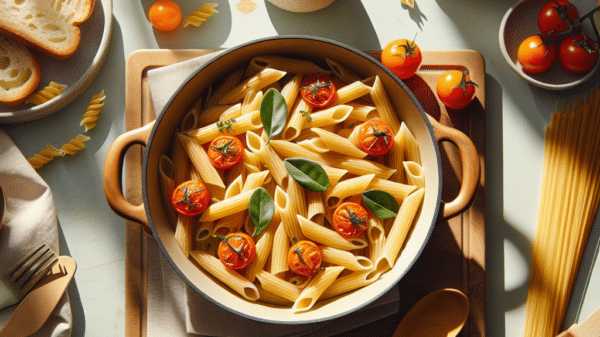
Using authentic ingredients like San Marzano tomatoes and Parmigiano-Reggiano elevates your dish and offers an authentic taste of Italy.
Step-by-Step Instructions
- Boil the Water: Fill a large pot with water, add a generous amount of salt (about 1 tablespoon), and bring it to a rolling boil.
- Cook the Pasta: Add the gluten-free pasta and cook for 8-10 minutes, stirring occasionally. To achieve the perfect al dente texture, taste the pasta a minute before the package instructions say it’s done.
- Prepare the Sauce: In a separate skillet, heat olive oil over medium heat. Add minced garlic and sauté for about 1 minute until fragrant. Be careful not to burn it.
- Add Tomatoes: Pour in the canned San Marzano tomatoes, breaking them up gently with a wooden spoon. Season with salt and pepper. Let simmer for 10 minutes.
- Combine Pasta and Sauce: Reserve 1 cup of pasta water, then drain the pasta. Add the drained pasta to the sauce, tossing to coat. If the sauce seems too thick, add pasta water as needed to achieve your desired consistency.
- Finish with Cheese: Stir in grated Parmigiano-Reggiano and chopped fresh basil, mixing until evenly combined. Serve immediately.
Common Mistakes to Avoid:
- Overcooking the pasta – always check for an al dente bite.
- Curdling the sauce due to excessive heat – keep the heat moderate after adding cheese.
- Skimping on salt in the pasta water – it should taste like seawater for best flavor.
Variations & Substitutions
– For a vegan twist, substitute dairy cheeses with nutritional yeast or vegan cheese alternatives.
– Explore regional variations by trying Roman classics like Cacio e Pepe or Sicilian Pasta alla Norma, which adds eggplant and ricotta.
– For a modern twist, consider zoodles (zucchini noodles) for a lower-carb option while incorporating light Italian flavors.
Make Ahead, Storage & Reheating
Meal-prepping is straightforward: cook pasta al dente, then store it separately from the sauce. In the fridge, cooked pasta can last for 3-4 days, while sauces generally last for about a week. For longer-term storage, freeze both components; the pasta can stay fresh for about 2 months, while the sauce can last up to 3 months.
To reheat, gently toss the pasta in a skillet over low heat, adding a splash of water or more sauce if necessary. For baked dishes, place pasta in an oven-safe dish, cover with sauce, and heat at 180°C (350°F) until warmed through.
Nutrition (Approx.)
Per serving, this dish offers about:
– Calories: 450
– Protein: 15g
– Carbohydrates: 60g
– Fat: 18g
Nutritional values may change based on specific ingredient substitutions or portion sizes.
Serving Suggestions
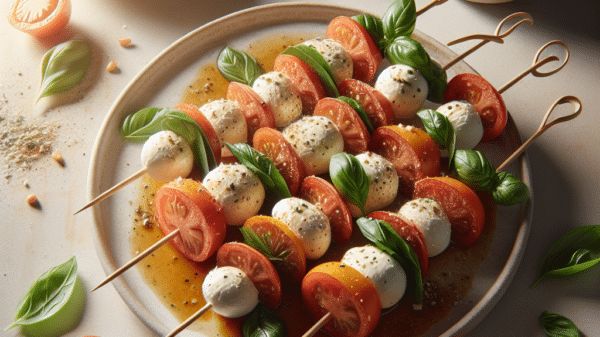
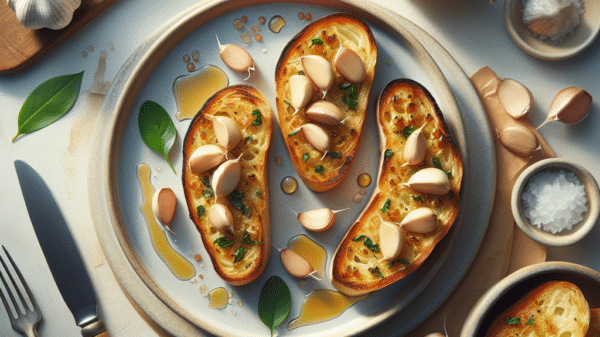
Pair your gluten-free pasta dish with garlic bread or a fresh Caprese salad drizzled with balsamic reduction for a full Italian dining experience. For wine pairings, a classic Chianti or a crisp Pinot Grigio work beautifully. For children, consider serving smaller portions with a side of fruit or a fun vegetable medley for a colorful plate.
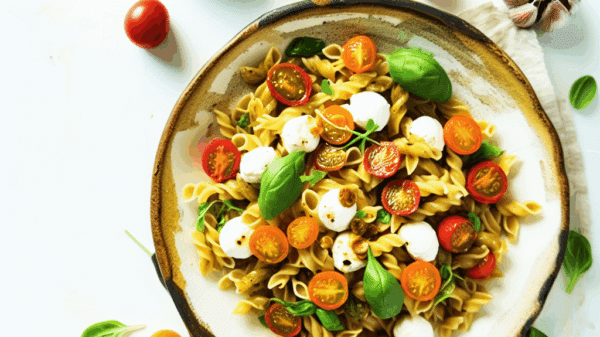
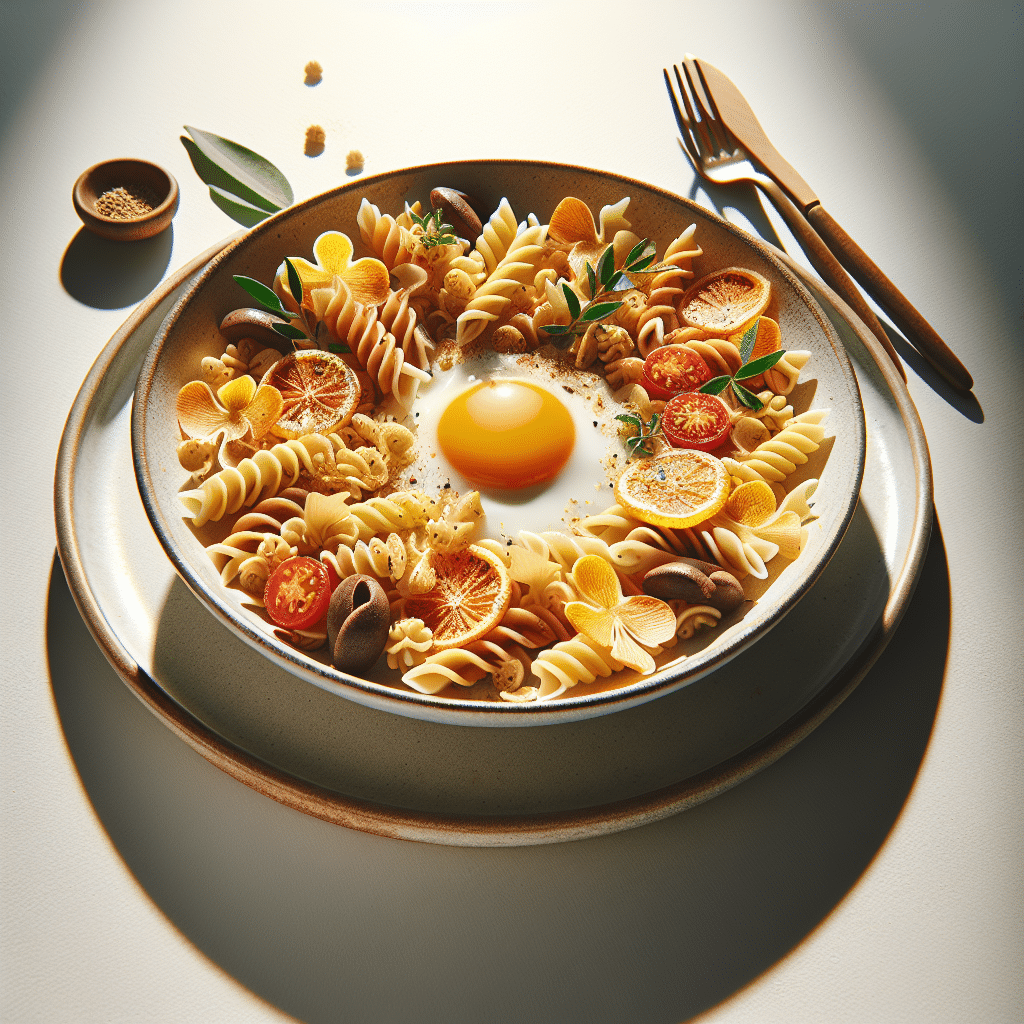
For presentation, a light dusting of fresh basil and a sprinkle of more grated cheese can transform the visual appeal of your dish into a restaurant-quality experience.
FAQs
How much salt should I add to pasta water?
A good rule is to make it taste like seawater; about 1 tablespoon per gallon of water works well.
Can I freeze leftover pasta?
Yes, you can freeze cooked pasta and sauce separately for optimal quality.
What’s the secret to creamy sauce without cream?
Emulsifying with pasta water and using cheese helps achieve a creamy texture without heavy cream.
How do I stop pasta from sticking?
Stir the pasta frequently while cooking and ensure it’s generously salted to reduce stickiness.
Conclusion
Mastering gluten-free Italian pasta opens a world of delicious, comforting possibilities that honor the region’s rich culinary heritage. By focusing on authentic ingredients and methods, you can create memorable meals that everyone can enjoy. Don’t hesitate to explore new sauces, pasta shapes, and authentic flavors. We invite you to share your favorite Italian pasta dishes and favorite cooking tips in the comments below!