





Overview
Panna Cotta, which translates to “cooked cream,” is a quintessential Italian dessert that originated in the northern region of Piedmont. This velvety delight is perfect for anyone who enjoys creamy textures and subtly sweet flavors. Estimated prep time is around 15 minutes, with a chilling time of 4 hours, making the total time approximately 4 hours and 15 minutes. The difficulty level is easy, making it ideal even for novice cooks. Traditionally, Italians serve panna cotta as a light dessert after dinner or during festive occasions, often complementing it with fruit compote or chocolate sauce. The flavor profile is rich and creamy, typically featuring vanilla, making it a versatile canvas for various toppings and modern twists.
Ingredients
- 500 ml heavy cream (2 cups)
- 120 ml whole milk (½ cup)
- 100 g granulated sugar (½ cup)
- 2 teaspoons vanilla extract or 1 vanilla bean, split and scraped
- 10 g gelatin powder (1 packet) or 4 gelatin sheets
- 60 ml cold water (¼ cup), for blooming the gelatin
Optional Toppings:
- Cocoa powder
- Shaved chocolate
- Fresh berries (e.g., raspberries, strawberries)
- Citrus zest (lemon or orange for brightness)
- Fruit coulis (e.g., raspberry, mango, or passionfruit)
Step-by-Step Instructions
- Bloom the Gelatin: In a small bowl, sprinkle the gelatin over the cold water and let it sit for about 5-10 minutes until it becomes spongy.
- Heat Cream and Sugar: In a medium saucepan over low heat, combine the heavy cream, milk, and sugar. Stir gently until the sugar dissolves and the mixture is warmed through (do not let it boil).
- Add Vanilla: If using a vanilla bean, add the seeds and the pod to the saucepan. If using extract, add it later. Allow to infuse for about 5 minutes.
- Incorporate Gelatin: Remove the saucepan from heat. Take out the vanilla pod and stir in the bloomed gelatin until completely dissolved.
- Cool and Pour: Allow the mixture to cool slightly before pouring it into individual molds or serving glasses. Leave enough space for your chosen toppings.
- Chill: Cover and refrigerate for at least 4 hours, or overnight, until set. The panna cotta should have a firm but wobbly texture once ready.
Common Mistakes to Avoid: Be careful not to overheat the cream, which can lead to a grainy texture. Also, avoid over-mixing the cream with the gelatin, as it can introduce air bubbles that affect the smoothness.
Variations & Substitutions
If you’re looking for dietary swaps or modern twists, here are some ideas:
- Vegan: Substitute heavy cream with coconut cream and use agar-agar instead of gelatin for a plant-based option.
- Gluten-Free: Panna cottas are inherently gluten-free, making them an excellent choice for gluten-sensitive individuals.
- Dairy-Free: Almond or oat milk can replace dairy milk, while coconut or nut-based creams can give the same rich consistency.
- Modern Flavors: Experiment with infusions like matcha, espresso, or citrus fruits for a contemporary twist. You can also mix in spices like cardamom or star anise.
Make Ahead, Storage & Reheating
Panna cotta can be made up to two days in advance, allowing the flavors to meld beautifully. Store it in the fridge, covered tightly with plastic wrap. For the best texture, avoid freezing as it can alter the cream’s consistency. If you have any leftovers, keep them in an airtight container for up to three days in the refrigerator. There’s typically no need to reheat panna cotta, although if you find it too firm after chilling, you can place it at room temperature for 15-30 minutes before serving.
Nutrition (Approx.)
Each serving of classic panna cotta contains approximately:
- Calories: 360
- Fat: 28g
- Carbohydrates: 25g
- Protein: 5g
For lower-sugar or protein-enriched versions, consider using sugar alternatives or adding protein powder to the mixture before setting.
Serving Suggestions
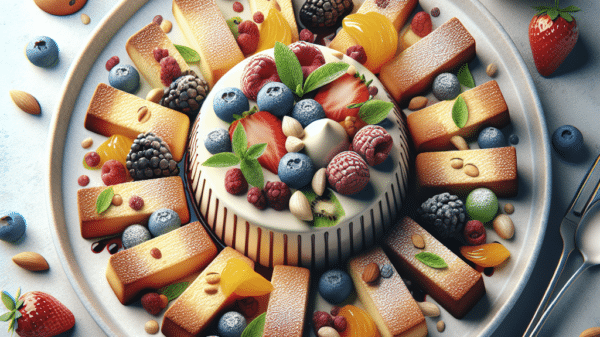
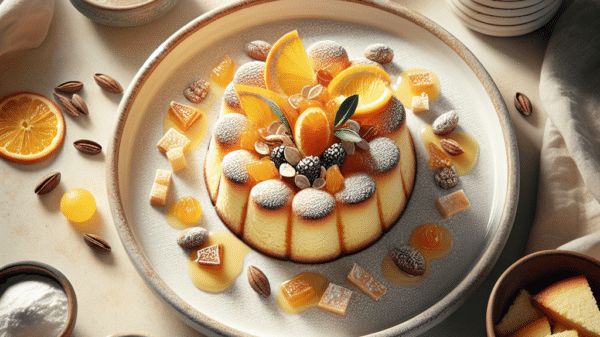
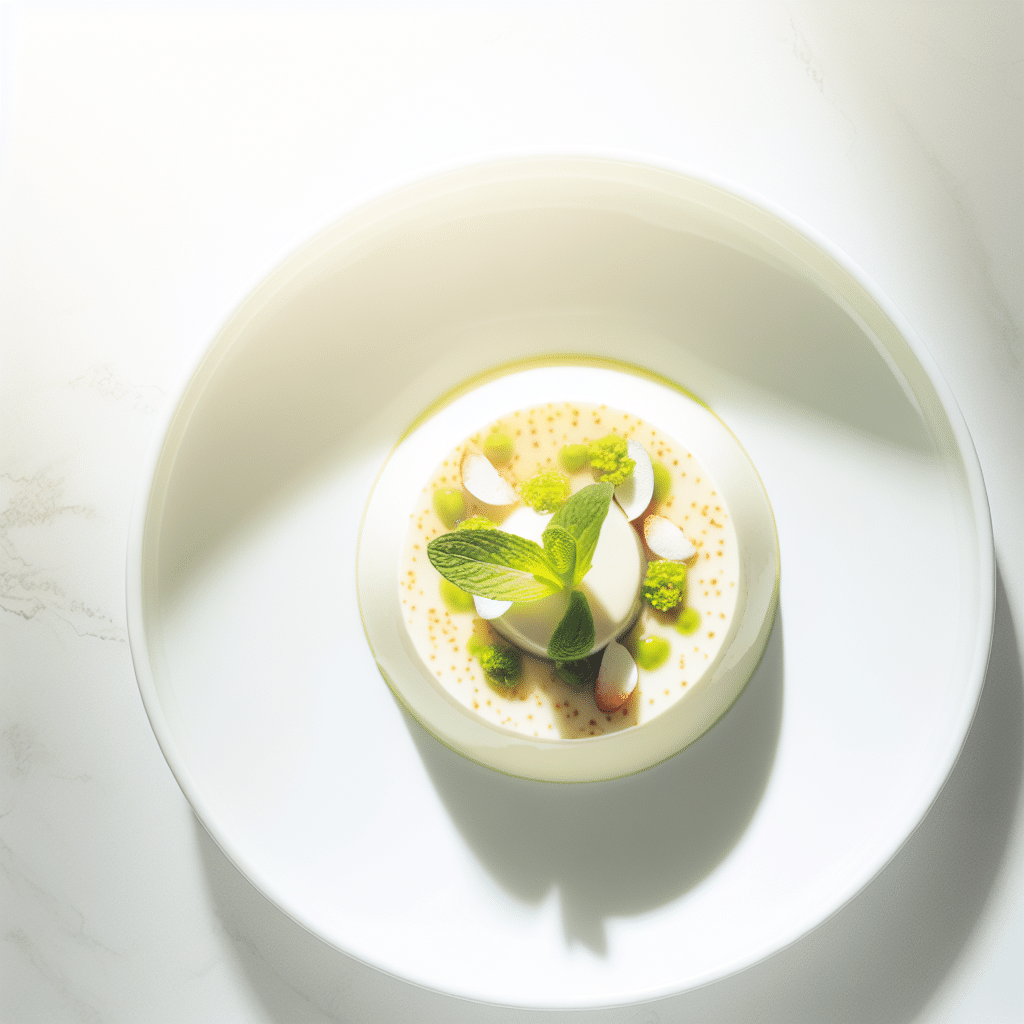
Panna cotta can be elegantly plated with a dusting of cocoa powder or a drizzle of fruit coulis for a sophisticated presentation. When paired with a shot of espresso or cappuccino, this dessert effectively rounds off any meal. Seasonal garnishes such as roasted peaches in summer or poached pears in winter add a delightful twist. For family-friendly options, serve it in smaller cups or jars, encouraging kids to personalize their panna cotta with their favorite toppings.
FAQs
- How long should panna cotta chill? It should chill for at least 4 hours, but overnight is preferable for the best texture.
- Can I use cream cheese instead of mascarpone? While cream cheese can work, it will change the texture and flavor of the panna cotta. It’s better to stick to the traditional ingredients.
- How do I keep dessert accompaniments fresh? Keep fruits and garnishes separate until ready to serve, as moisture can affect their texture.
- Can I freeze panna cotta? Freezing is not recommended as it may alter the creamy consistency. However, it can be stored in the refrigerator for a few days.
Conclusion
Mastering panna cotta is all about understanding the balance of creaminess and sweetness along with the importance of technique. The versatility of this classic Italian dessert allows you to experiment with flavors and toppings, offering endless possibilities. Don’t hesitate to incorporate regional twists or modern flavors into your preparation. We invite you to try these tips and share your own creations. What’s your favorite Italian dessert to make at home?