





Overview
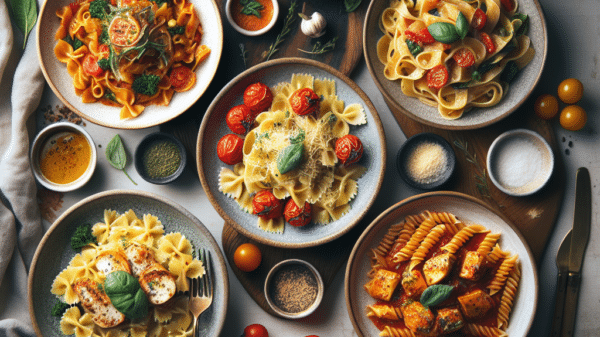
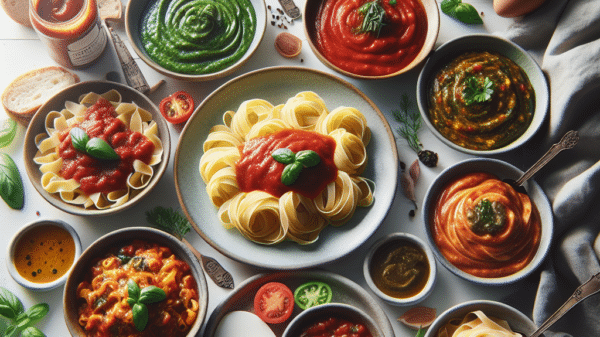
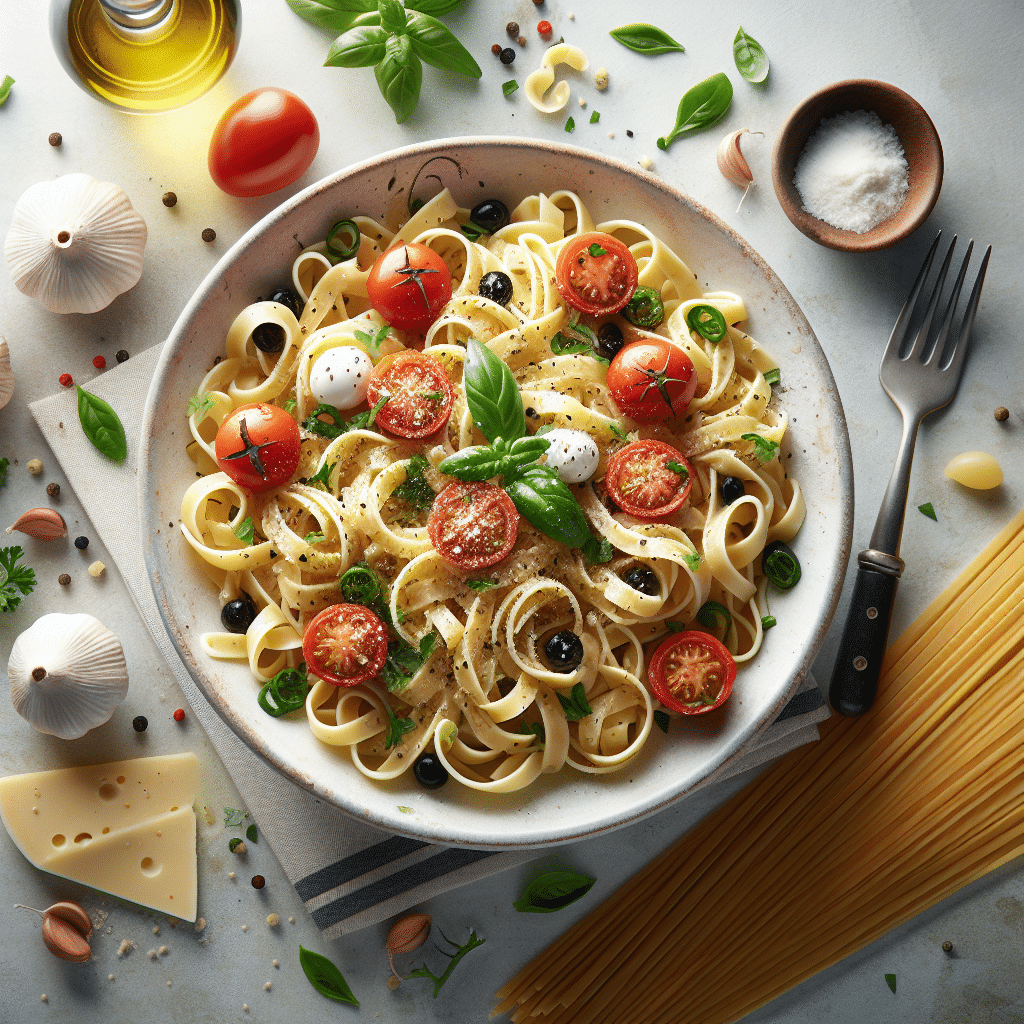
Italian pasta dishes are beloved around the world for their rich flavors, simple ingredients, and comforting qualities. These 5 authentic recipes focus on quick and delicious options perfect for busy weeknights. Each dish emphasizes traditional cooking techniques while being accommodating to varying schedules. You’ll find that making a tempting Italian pasta dish doesn’t need to be time-consuming or overly complicated.
Estimated prep/cook time: 20-30 minutes. Difficulty: Easy to Moderate. Regional origins: Various including Roman, Sicilian, Neapolitan, and more. These recipes serve as great comfort food options for a quick meal but also highlight the authenticity of Italian cuisine, making them suitable for special occasions.
Ingredients
- Spaghetti or linguine: 250g (9 oz)
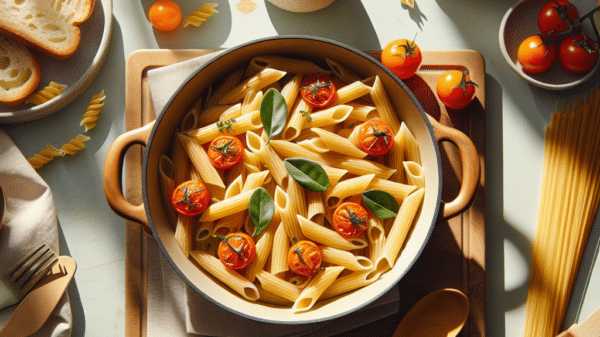
- Durum wheat penne: 250g (9 oz) for pasta alla Norma
- Canned San Marzano tomatoes: 400g (14 oz)
- Extra-virgin olive oil: 3 tbsp (45 ml)
- Garlic: 2 cloves, minced
- Red pepper flakes: 1/2 tsp (optional)
- Parmesan cheese (or Pecorino Romano for a more authentic touch): 50g (1.75 oz), grated
- Fresh basil or parsley: a handful, chopped
- Salt: to taste
- Pepper: to taste
- Protein add-ins (optional): ground beef, chicken, or chickpeas: 150g (5 oz)
Step-by-Step Instructions
- Boil the Pasta: Bring a large pot of water to a rolling boil. Add a generous amount of salt (about 1 tablespoon per liter). Add the spaghetti or linguine and cook until al dente, about 8-10 minutes, tasting occasionally to check doneness.
- Prepare the Sauce: While the pasta cooks, heat the olive oil in a large skillet over medium heat. Add minced garlic and sauté for about 1 minute until fragrant; do not allow it to burn.
- Add Tomatoes: Pour in the canned San Marzano tomatoes and crush them with a wooden spoon. Add a pinch of red pepper flakes if desired. Allow to simmer for about 10 minutes, stirring occasionally. Season with salt and pepper to taste.
- Combine Pasta and Sauce: Reserve about 1 cup of the pasta cooking water. Drain the pasta and immediately add it to the skillet with the sauce. Toss to combine, adding the reserved pasta water gradually to create a silky sauce that coats the pasta.
- Finish with Cheese and Herbs: Stir in the grated Parmesan cheese and chopped fresh basil or parsley, ensuring an even distribution. Serve immediately, garnished with additional cheese and herbs if desired.
Common mistakes to avoid: Overcooking your pasta can lead to a mushy texture. Always taste it a minute or two before the suggested cooking time. Avoid curdling the cheese by ensuring the pasta is warm and that the sauce isn’t too hot when adding cheese. Lastly, don’t forget to salt your pasta water!
Variations & Substitutions
For those with dietary restrictions, consider using gluten-free pasta or zucchini noodles (zoodles) for a low-carb option. Vegan cheese can be used as an alternative to Parmesan for a plant-based version. You can also modify these recipes based on regional specialties: for instance, try Roman cacio e pepe for a simple yet delicious option or Sicilian pasta alla Norma for a vegetable-packed dish featuring eggplant.
Modern or fusion versions might include adding shrimp or scallops for a seafood twist or incorporating seasonal vegetables to make the dish even more vibrant and nutrient-dense while keeping Italian spirit intact.
Make Ahead, Storage & Reheating
For meal-prep options, you can cook your pasta al dente and store it separately from the sauce in an airtight container to maintain texture. The sauce can be made in advance and stored in the refrigerator for up to 3 days or in the freezer for up to 3 months.
When reheating, you can toss the pasta with the sauce on the stovetop over low heat, incorporating a splash of water if it appears too dry. For an oven bake, add the pasta and sauce to a baking dish, top with extra cheese, and bake at 180°C (350°F) until bubbly.
Nutrition (Approx.)
Each serving, based on the classic recipe, provides approximately 600 calories, 25g of protein, 75g of carbohydrates, and 20g of fat. These values may vary depending on substitutions, portion sizes, and additional ingredients used in your dish.
Serving Suggestions
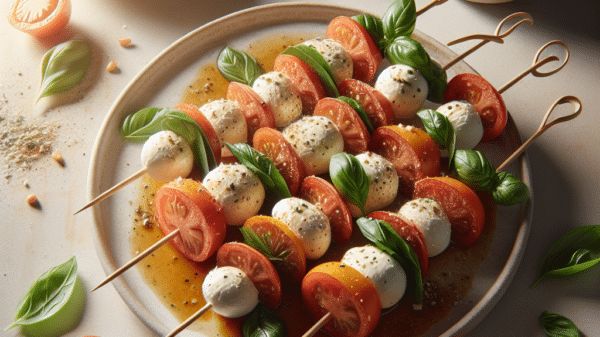
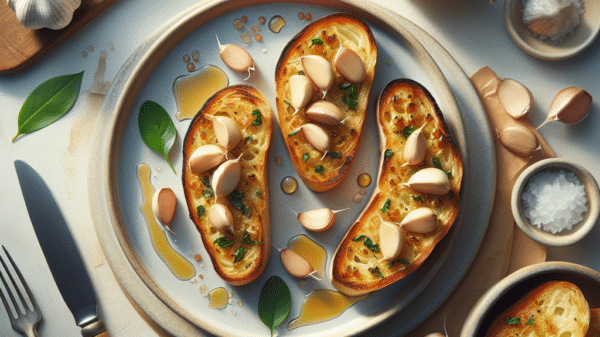
Complement your pasta with classic side dishes like garlic bread, a fresh Caprese salad, or a simple arugula salad with lemon dressing. Wine pairings can enhance the meal experience; consider a glass of Chianti or a crisp Pinot Grigio. For families, keep servings kid-friendly by reducing the amount of red pepper flakes and presenting the dish in colorful portions. Use a generous garnish of cheese and herbs for added appeal.
FAQs
- How much salt should I add to pasta water? A good rule of thumb is 1 tablespoon of salt per liter of water.
- Can I freeze leftover pasta? Yes, you can freeze leftover pasta for up to 3 months; however, sauces containing dairy may not freeze well.
- What’s the secret to creamy sauce without cream? Emulsifying pasta water with cheese creates a creamy texture without the need for dairy.
- How do I stop pasta from sticking? Stir the pasta occasionally while cooking and ensure it’s adequately salted.
Conclusion
Mastering the art of Italian pasta cooking comes down to a few essential tips: using quality ingredients, perfecting your cooking technique, and embracing regional traditions. Each dish encapsulates the heart of Italian cuisine while being adaptable to your culinary imagination. We encourage you to experiment with new sauces or pasta shapes, and please share your favorite Italian pasta dishes with us!