





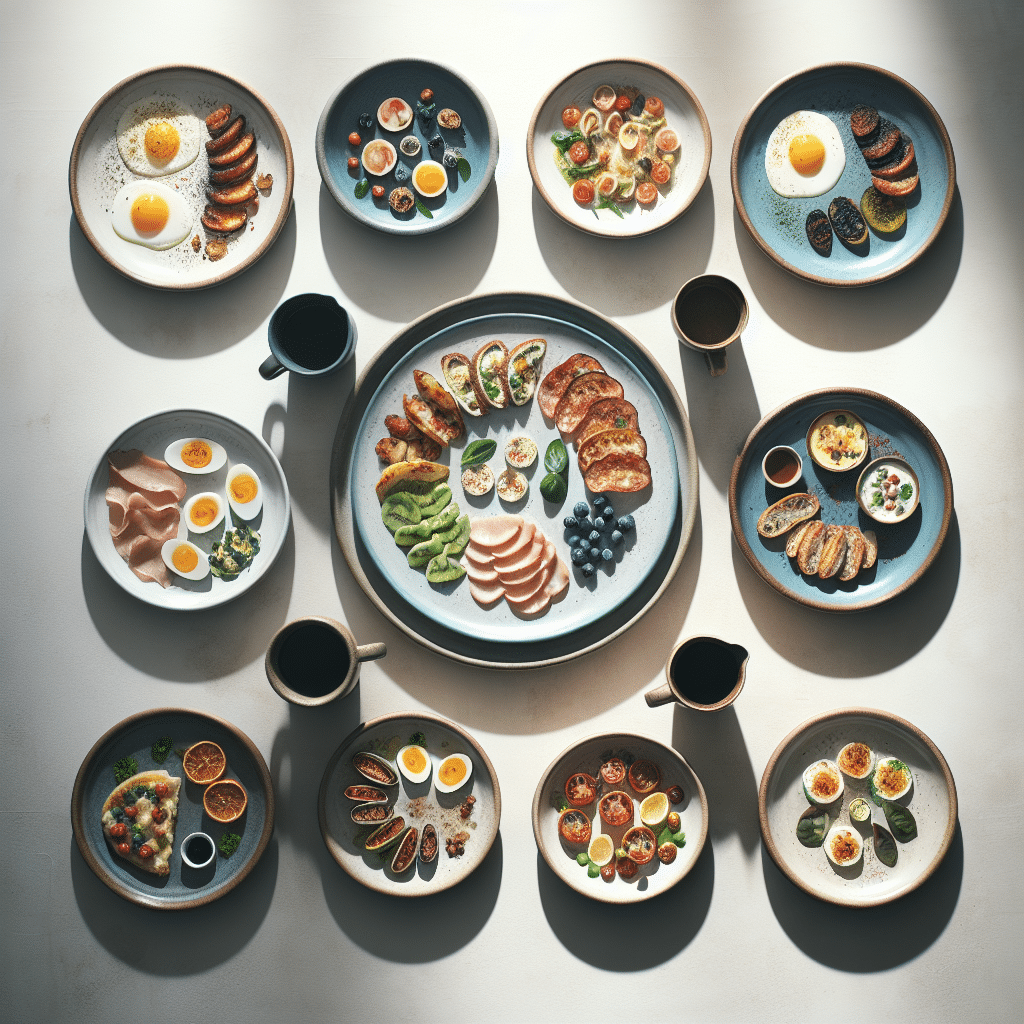
Overview
Tuscan cuisine is celebrated for its rustic yet elegant approach to food, transforming simple, high-quality ingredients into hearty, flavorful dishes. Perfect for culinary enthusiasts and home cooks alike, these main courses are versatile enough for a weeknight dinner or a festive gathering. Each dish reflects Tuscany’s rich agricultural heritage, emphasizing seasonal ingredients. The estimated prep/cook time varies from 1 to 3 hours, and the difficulty ranges from moderate to challenging, depending on the dish.
Ingredients
Each of the five main courses features traditional Tuscan ingredients that bring the essence of the region to your table. Below, you will find a detailed list for each dish, providing both metric and US units.
- Wild Boar Ragu (Pici Cacio e Pepe)
– 900g wild boar, cubed (2 lbs)
– 2 tbsp olive oil (30 mL)
– 1 onion, diced
– 2 garlic cloves, minced
– 400g canned San Marzano tomatoes (14 oz)
– 200mL red wine (0.85 cups)
– 2 sprigs fresh rosemary
– Salt and pepper to taste - Pasta alla Puttanesca
– 400g spaghetti (14 oz)
– 4 tbsp extra-virgin olive oil (60 mL)
– 4 garlic cloves, sliced
– 400g canned plum tomatoes (14 oz)
– 100g kalamata olives, pitted (3.5 oz)
– 2 tbsp capers
– 1 tsp red pepper flakes
– Salt to taste - Osso Buco
– 4 shanks of veal (approximately 1.5 kg or 3.3 lbs)
– 2 tbsp olive oil (30 mL)
– 1 onion, diced
– 2 celery stalks, chopped
– 2 carrots, chopped
– 400g canned tomatoes (14 oz)
– 500mL white wine (2 cups)
– 1 lemon zest only
– Salt and pepper to taste - Baked Eggplant Parmesan
– 2 large eggplants, sliced
– 500g mozzarella cheese, sliced (18 oz)
– 400g tomato sauce (14 oz)
– 100g grated Parmigiano-Reggiano (3.5 oz)
– 2 tbsp fresh basil, chopped
– Olive oil. - Chickpea and Rosemary Stew
– 400g canned chickpeas (14 oz)
– 1 onion, diced
– 2 garlic cloves, minced
– 2 carrots, diced
– 1 sprig of fresh rosemary
– 500mL vegetable broth (2 cups)
– Salt and pepper to taste
Step-by-Step Instructions
Wild Boar Ragu
- Heat the olive oil in a large pot over medium heat.
- Add the onion and garlic, sautéing until translucent (about 5 minutes).
- Add the wild boar cubes; sear on all sides until browned (about 10 minutes).
- Pour in the red wine, allowing it to reduce for about 5 minutes.
- Add the tomatoes, rosemary, salt, and pepper. Simmer for 1.5 to 2 hours, stirring occasionally.
- Serve with pici pasta and shredded Parmigiano-Reggiano.
Pasta alla Puttanesca
- Cook the spaghetti according to package instructions until al dente.
- In a pan, heat the olive oil over medium heat. Add garlic and red pepper flakes, cooking until fragrant (about 2 minutes).
- Add the canned tomatoes, olives, and capers. Let simmer for 10-15 minutes.
- Mix in the cooked spaghetti, tossing well.
- Serve with a drizzle of olive oil and fresh parsley.
Osso Buco
- Heat olive oil in a heavy pot over medium-high heat. Season shanks with salt and pepper, then brown them on all sides (about 10 minutes).
- Remove shanks; add onion, celery, and carrot. Sauté until softened (about 5-7 minutes).
- Add the shanks back to the pot along with the tomatoes and white wine. Bring to a simmer.
- Reduce heat and cover, cooking for about 2 hours until meat is tender.
- Serve with risotto and gremolata (anchovy, garlic, and parsley).
Baked Eggplant Parmesan
- Preheat the oven to 200°C (400°F).
- Sprinkle sliced eggplants with salt and let drain for 30 minutes.
- Rinse and dry the eggplants, brushing them with olive oil and baking for 20 minutes. Turn halfway through.
- Layer the baked eggplant, tomato sauce, and mozzarella in a baking dish. Repeat until ingredients are used up.
- Finish with grated Parmigiano-Reggiano on top. Bake for 30 minutes until bubbly.
Chickpea and Rosemary Stew
- Sauté onion and garlic in olive oil over medium heat until soft (about 5 minutes).
- Add carrots, chickpeas, and rosemary; cook for another 2 minutes.
- Pour in vegetable broth and bring to a simmer. Cook for 20-30 minutes.
- Season to taste and serve with crusty bread or over polenta.
Variations & Substitutions
Adaptations cater to various diets while maintaining authenticity. Replace wild boar with beef for a mainstream option or select lentils for a vegan ragu. Swap white wine for vegetable broth in the osso buco for a lighter version, or use gluten-free noodles in the pasta recipe.
Make Ahead, Storage & Reheating
Most Tuscan main courses can be prepared in advance. Ragu and osso buco taste even better the next day as flavors meld. Store in airtight containers in the fridge for up to 3 days or freeze for 2 months. Reheat gently on the stove, adding a splash of water or broth to restore moisture.
Nutrition (Approx.)
- Wild Boar Ragu: 550 calories, 35g protein, 30g fat, 20g carbs.
- Pasta alla Puttanesca: 450 calories, 13g protein, 16g fat, 60g carbs.
- Osso Buco: 700 calories, 45g protein, 30g fat, 22g carbs.
- Baked Eggplant Parmesan: 600 calories, 30g protein, 40g fat, 35g carbs.
- Chickpea and Rosemary Stew: 350 calories, 15g protein, 5g fat, 55g carbs.
Serving Suggestions
Each dish pairs beautifully with a variety of sides. Roasted vegetables, polenta, and a fresh arugula salad work well. For wine, a glass of Chianti complements the ragu and osso buco splendidly. Consider garnishing your dishes with fresh herbs or a drizzle of quality extra-virgin olive oil for added flavor and visual appeal.
FAQs
- Can I make these dishes vegan?
- Yes! Substitute plant-based proteins and use vegetable broth instead of meat broth in stews.
- How long do leftovers last?
- Most dishes last in the fridge for up to 3 days and can be frozen for later use.
- Should I serve these dishes with a sauce?
- For richer flavors, accompany them with a house-made sauce or freshly grated cheese.
- What’s the best way to reheat?
- Gentle reheating on the stove with a splash of liquid helps maintain moisture and flavor.
Conclusion
These five Tuscan main courses embody the heart and soul of Italian cooking, showcasing robust flavors and traditional techniques. Whether you choose to dive into the rustic Wild Boar Ragu or the elegant Osso Buco, each dish offers a delightful exploration of Tuscany’s culinary heritage. Embrace the opportunity to try variations or explore additional Italian dishes. Don’t forget to share your culinary adventures and favorite adaptations; your fellow food enthusiasts will be eager to hear your stories!